


Makerlab for students
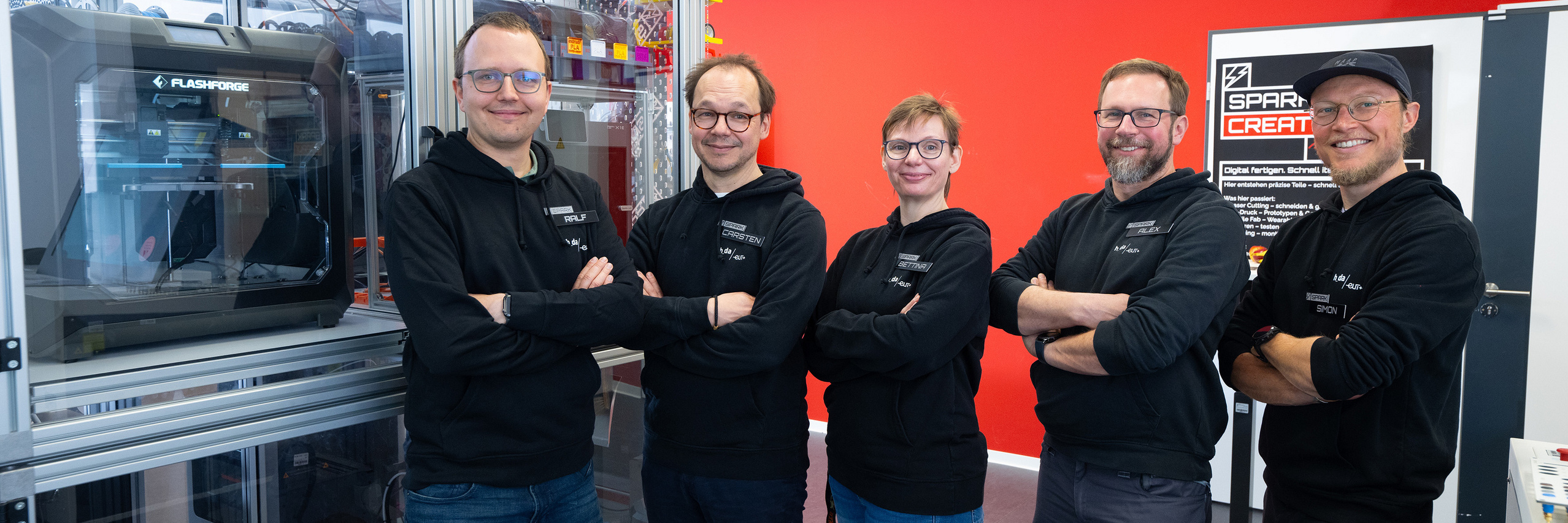
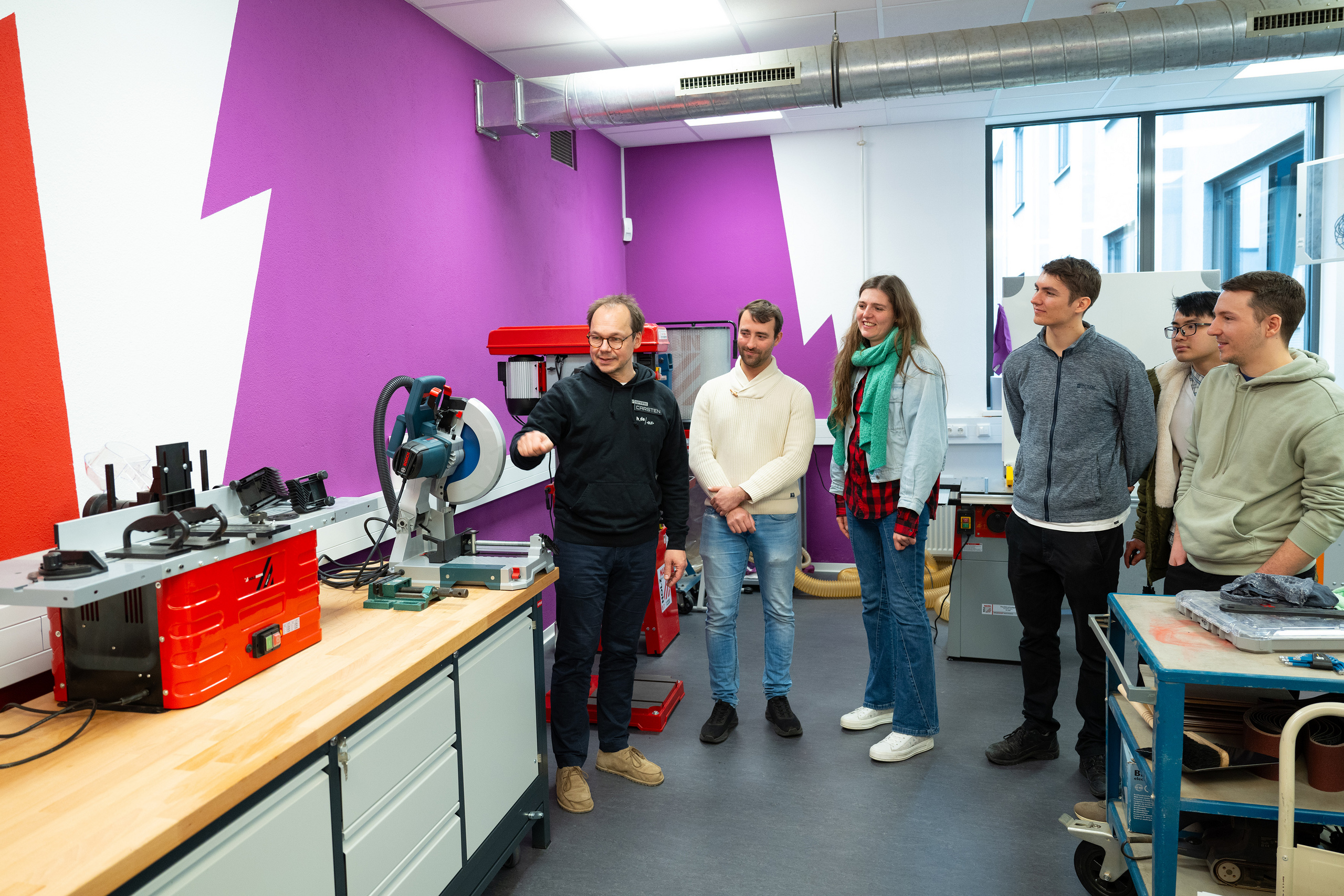
Students who want to put their engineering knowledge into practice in a hands-on and unrestricted way will find the new “Spark” Makerlab the perfect place. Spanning 400 square metres, the lab is jointly run by the Faculties of Electrical Engineering and Information Technology and Computer Science. It is equipped with 3D printers, laser cutters and a fully-fitted workshop for individual and group projects. From the summer semester onwards, the Makerlab will also host regular open sessions. Spark is also available for use in teaching modules.
By Simon Colin, 14 March 2026
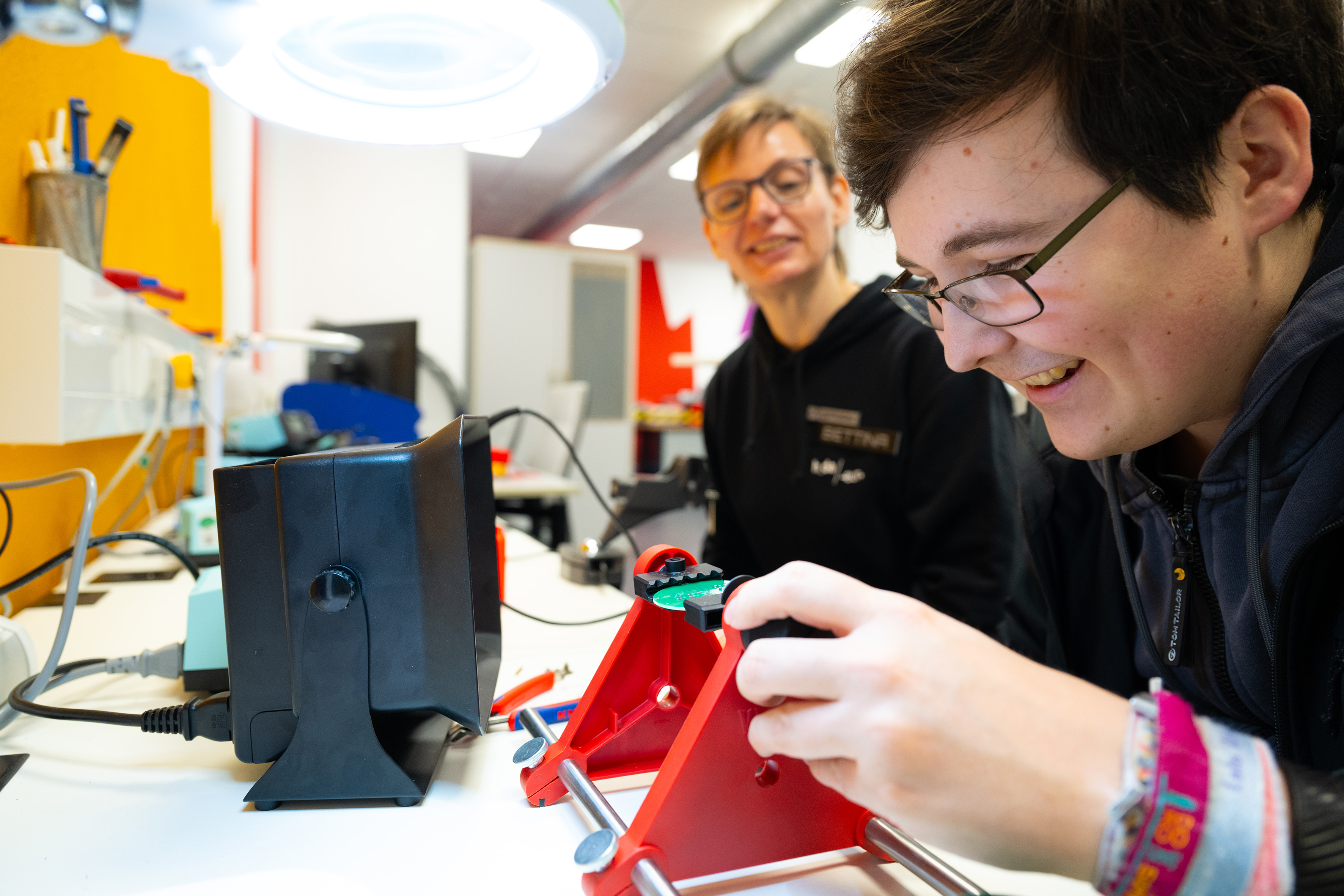
Just give it a go. Practical engineering without the strict supervision and assessment typically found in a laboratory. That’s what Spark is all about. Here, students can playfully print, cut, solder and otherwise work on housings, components or spare parts. Making things yourself, getting hands-on, and thereby gaining an even better understanding of products, systems and applications. “We are very well equipped here in terms of hardware,” says Prof. Dr Carsten Zahout-Heil, who set up the lab and runs it jointly with Prof. Dr Ralf Kundel and laboratory engineers Alexander König and Simon Nicklas, as well as laboratory engineer Bettina Kurz. The Makerlab was made possible financially as an interdisciplinary best practice example by the participating departments and the University Executive Board of h_da.
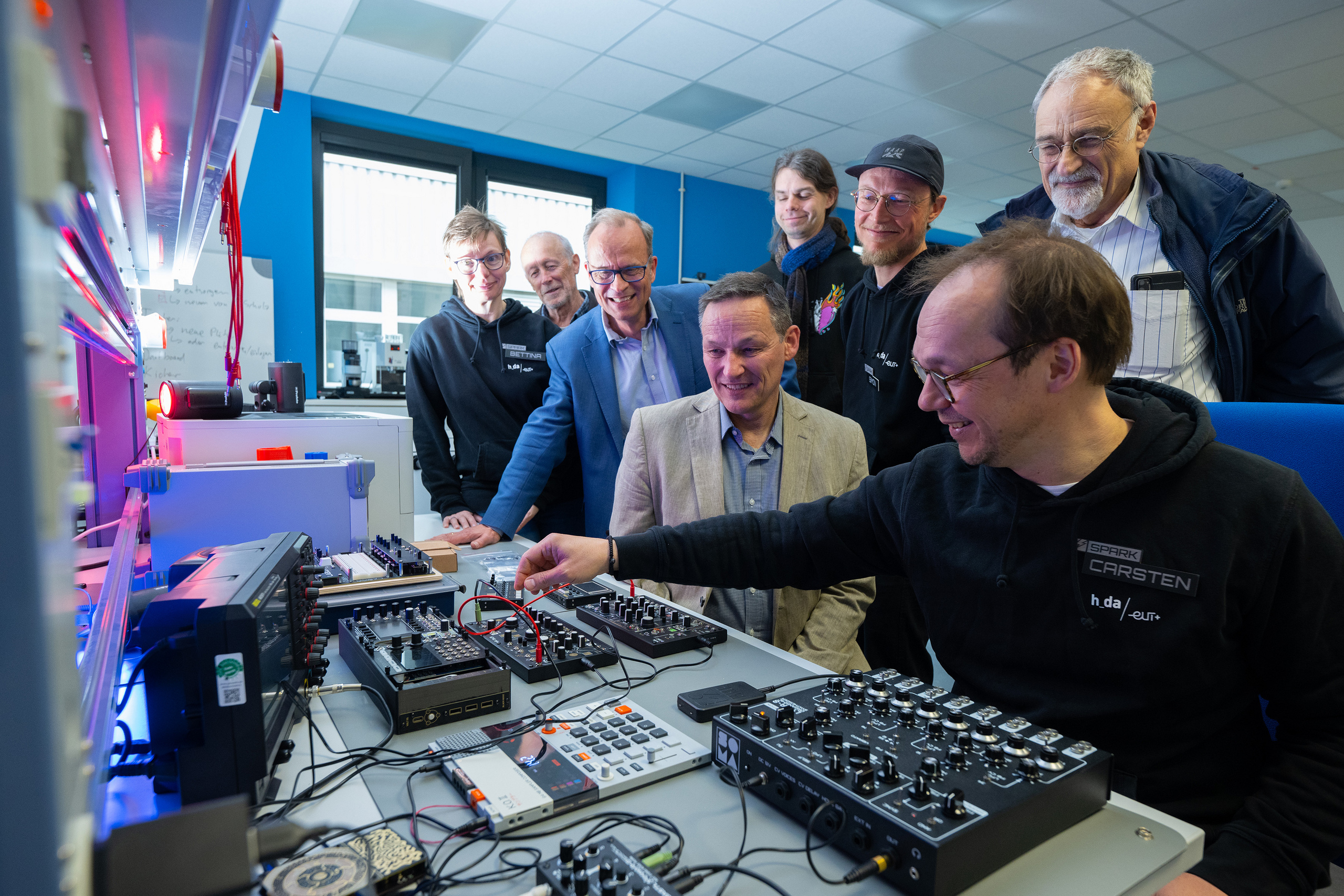
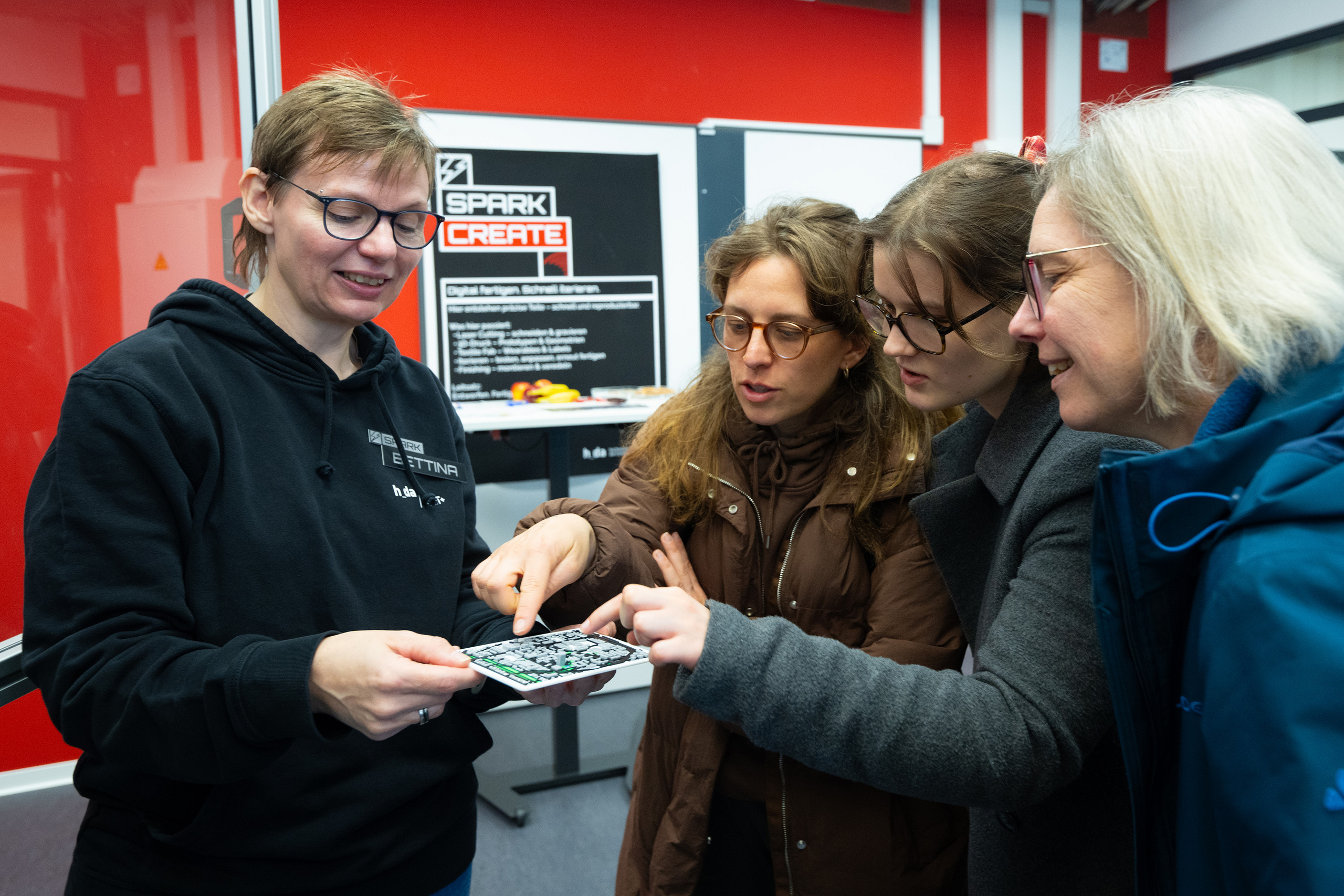
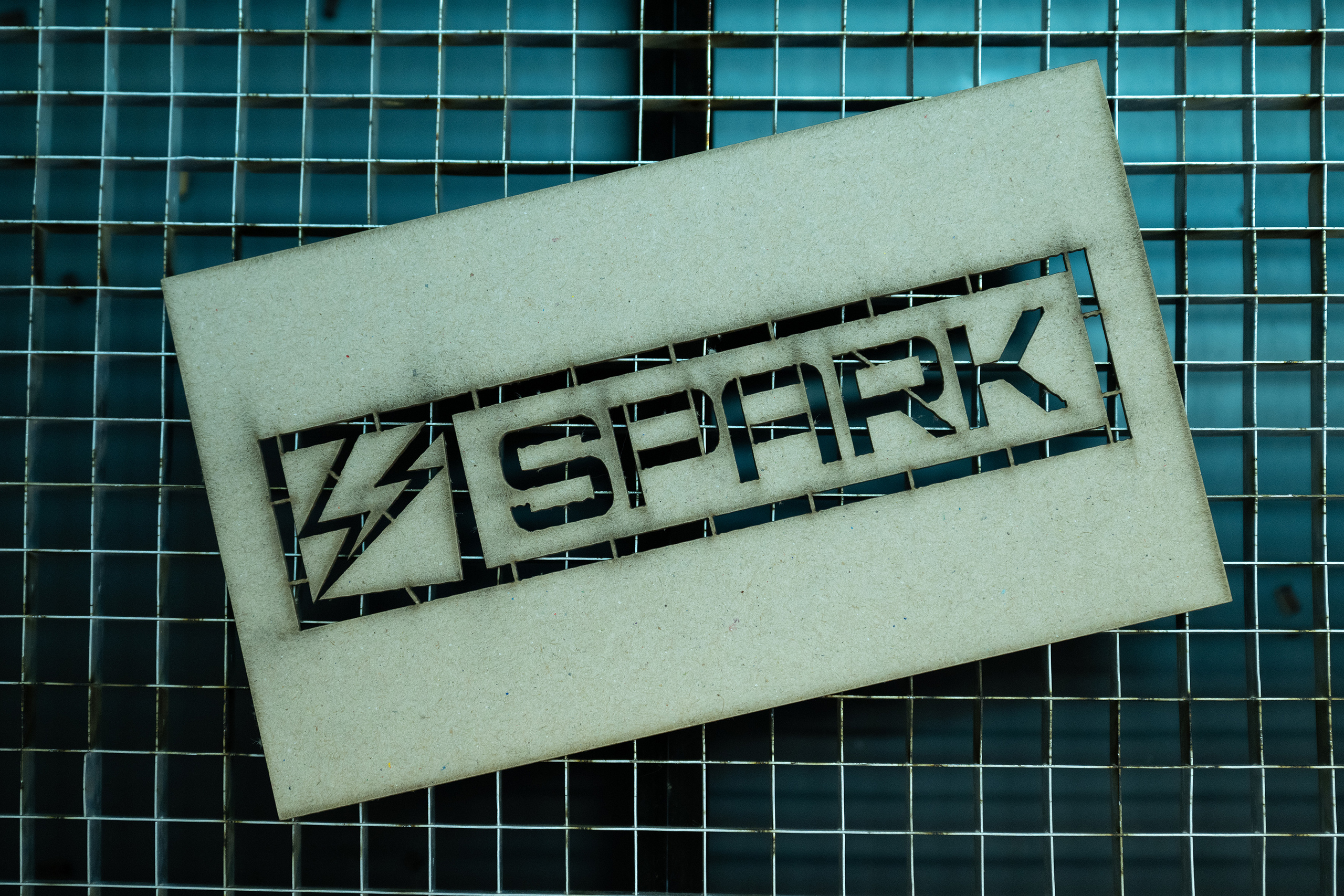
All photos: h_da / Markus Schmidt
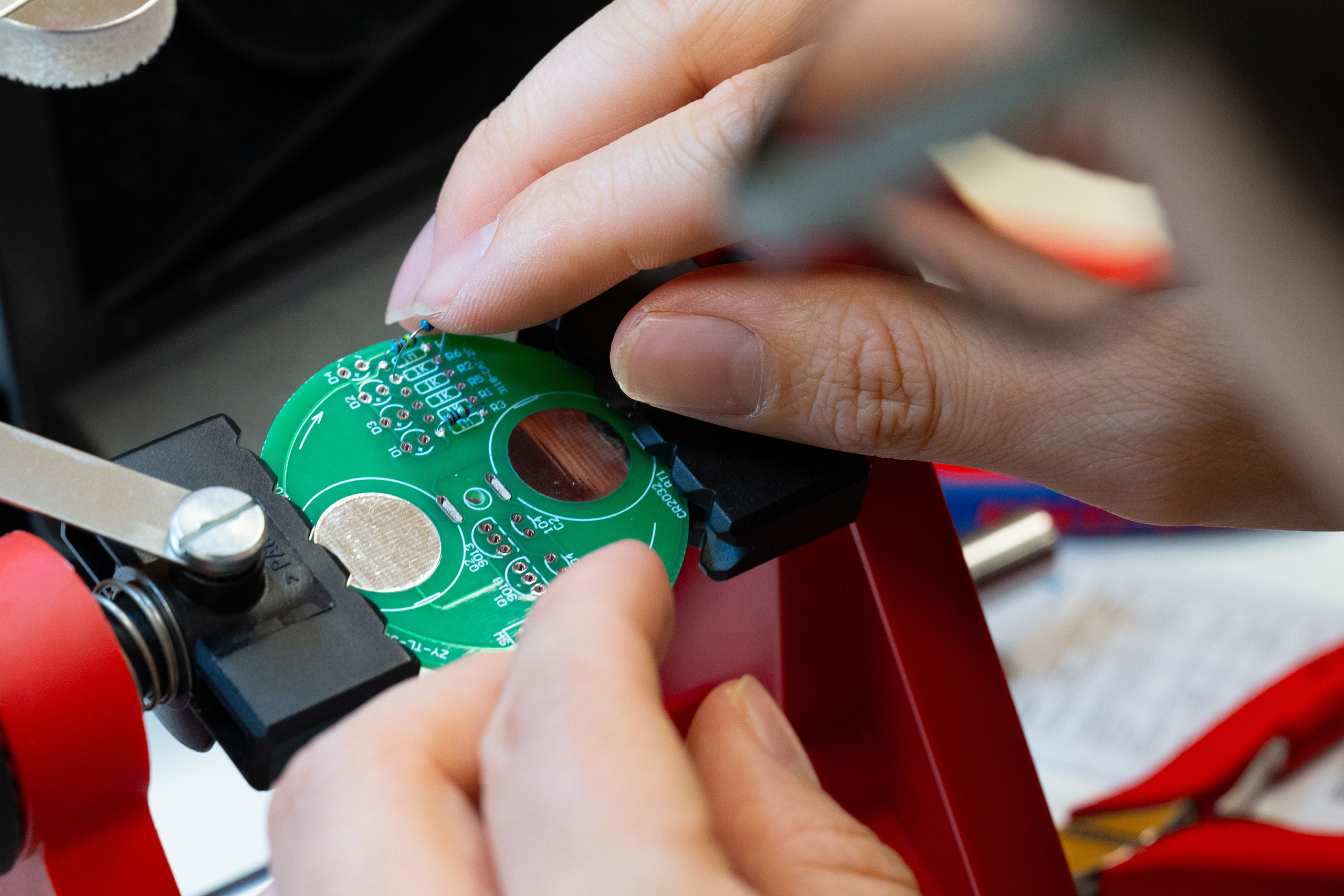
The technical equipment includes a dozen different 3D printers, a brand-new laser cutter for engraving and cutting, and several machines for processing materials such as films or textiles. The workshop features several workstations and workbenches for soldering, hammering, drilling, sawing, turning or milling. Here, students can work with metal, wood and plastic, produce circuit boards, and carry out measurements and analyses at the laboratory bench. Spare parts are available in the adjoining storeroom. The separate project room with a smartboard is ideal for teamwork, brainstorming and presentations.
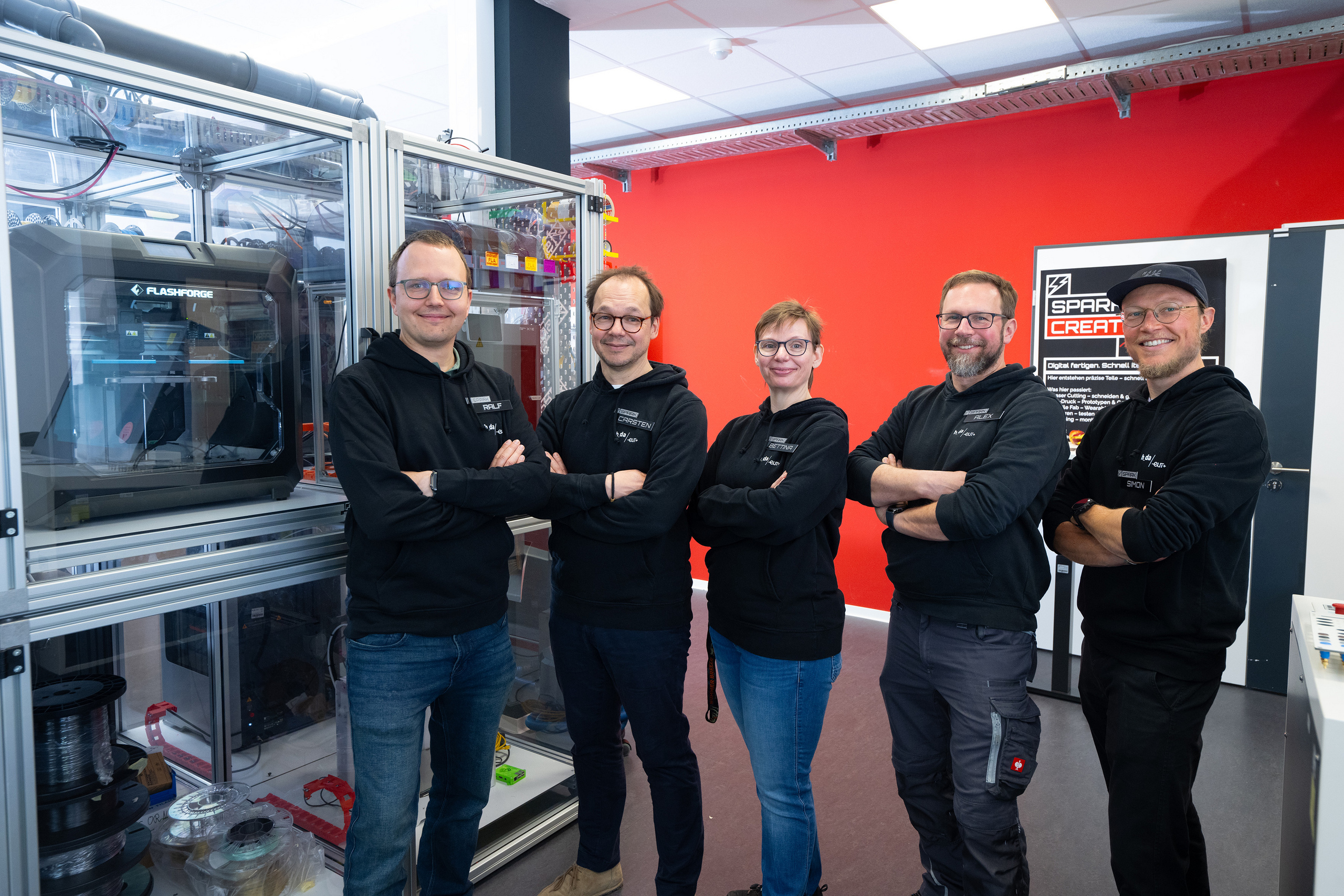
From the summer semester onwards, the new Makerlab will host regular open sessions run by the Spark team. These include soldering workshops, drop-in sessions on 3D printing and CAD design, as well as evening events for collaborative work. The “Solder Beat” session also offers the chance to solder your own circuits that produce sounds. Currently, the Makerlab is accessible exclusively to students and staff from the Faculties of Electrical Engineering and Information Technology and Computer Science at set times. “We see great potential in Spark. With the appropriate staffing, we can eventually open the Makerlab to a wider student body with a diverse range of activities,” says Prof. Dr Ralf Kundel.
Contact our Editorial Team
Christina Janssen
Science Editor
University Communications
Tel.: +49.6151.533-60112
Email: christina.janssen@h-da.de
Photography: Markus Schmidt
Links
"Spark" website: spark.h-da.io/