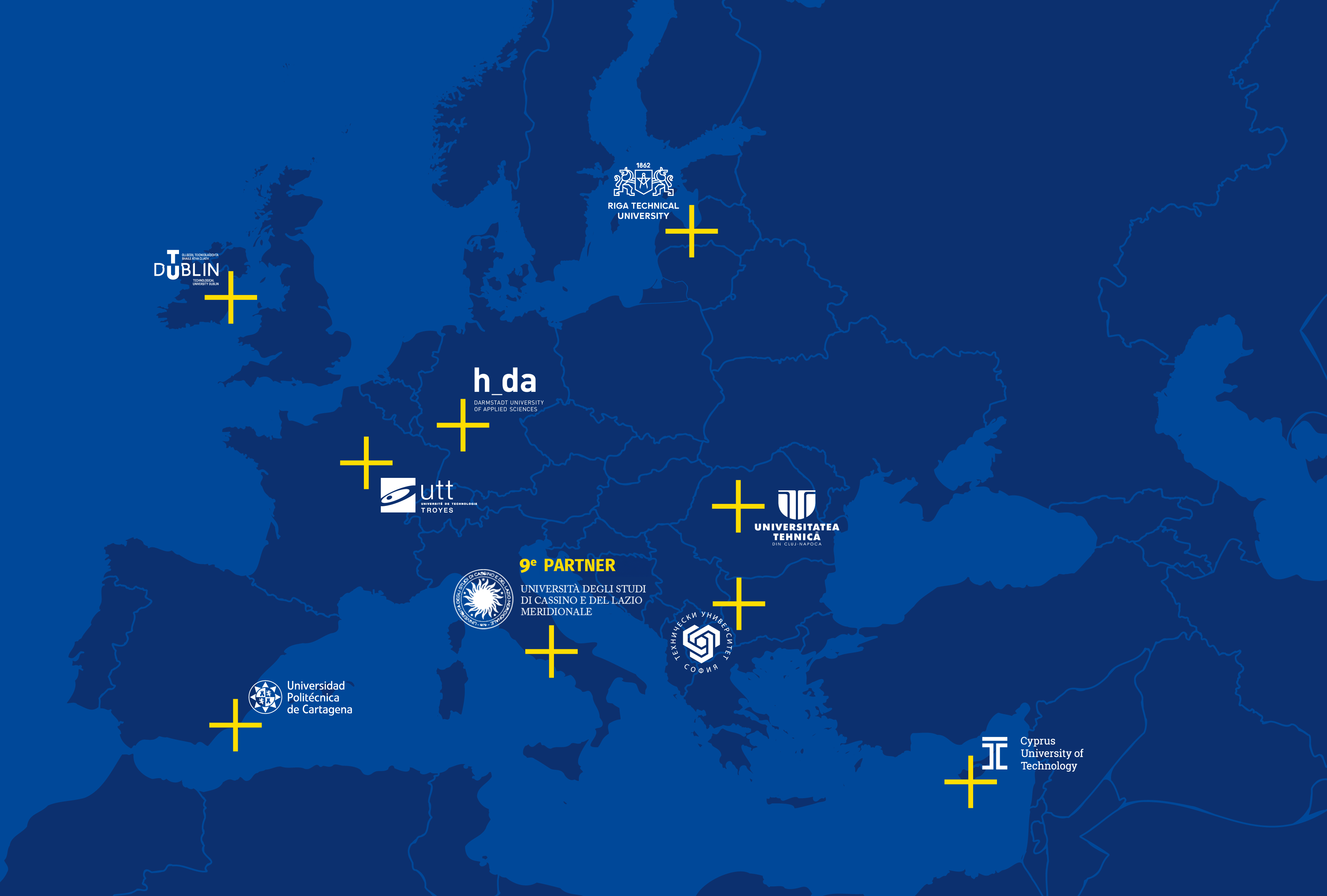
A Boost for European University Alliances
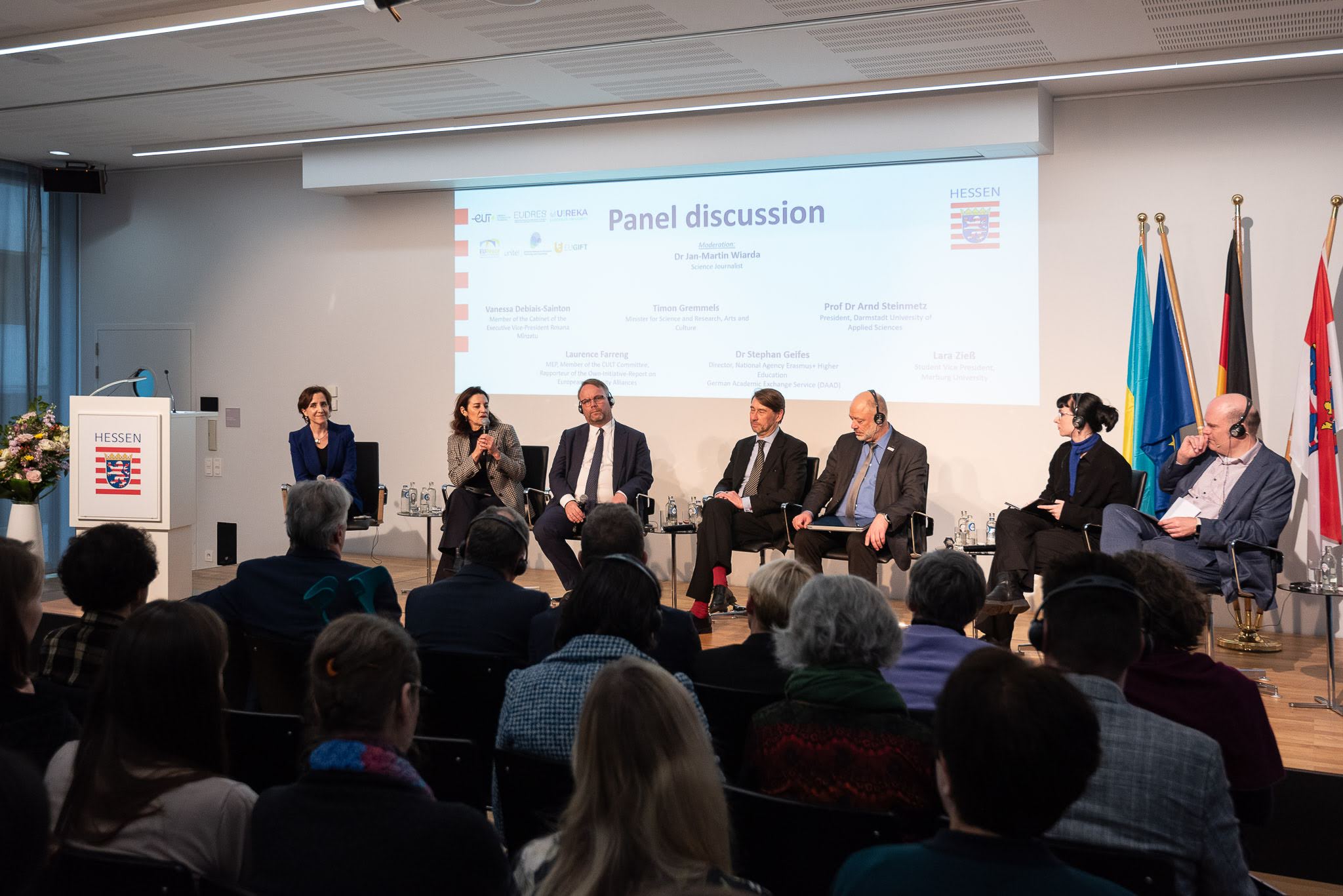
EUT+ and the other European university alliances are a model of success and should therefore continue to be supported by the European Union beyond 2027. The European university networks are taking these strong signals from Brussels with them. On the initiative of the State of Hesse and organised by Darmstadt University of Applied Sciences (h_da), an international conference on the future of higher education alliances was held there with high-ranking personalities from politics and the EU. More than 200 guests attended the event at the Representation of the State of Hessen to the European Union.
By Simon Colin, 16 January 2026
‘They have exceeded our expectations. We are very satisfied with the results of the European university alliances so far,’ said Vanessa Debiais-Sainton from the European Commission, who is responsible for higher education programmes and European university alliances. Positive signals also came from Laurence Farreng, Member of the European Parliament and member of the CULT Committee for Culture and Education: EUT+ and the other Hessian and European university alliances should remain anchored in Erasmus+ in the next funding period 2028-2034. ‘You can count on the European Parliament here.’
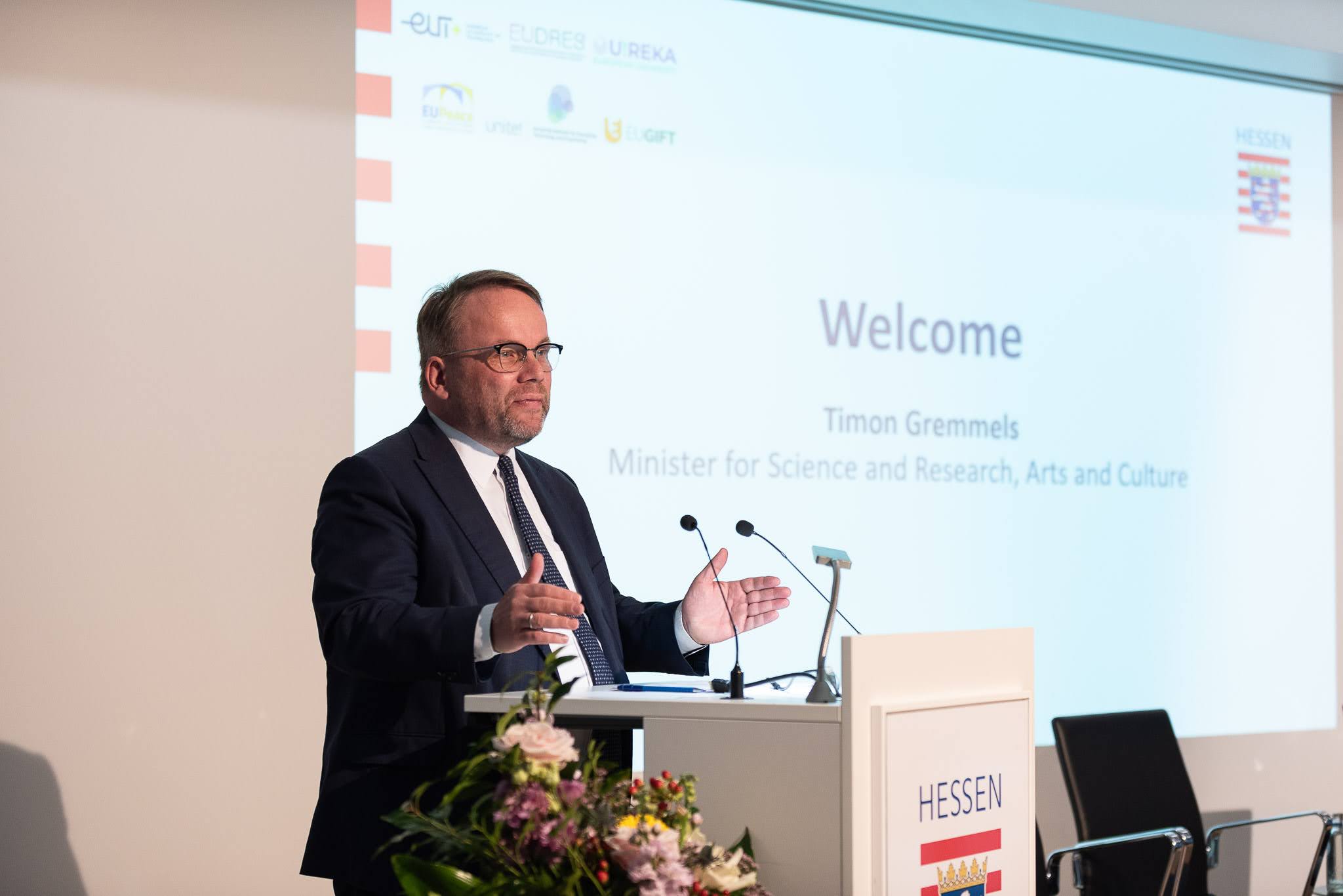
Hesse's Minister of Science, Timon Gremmels, also sat on the podium in Brussels. He advocated for a strong anchoring of the alliances in Erasmus+ and stable future funding. He also said that the percentage of the Erasmus budget earmarked for European higher education alliances should be specified in concrete terms.
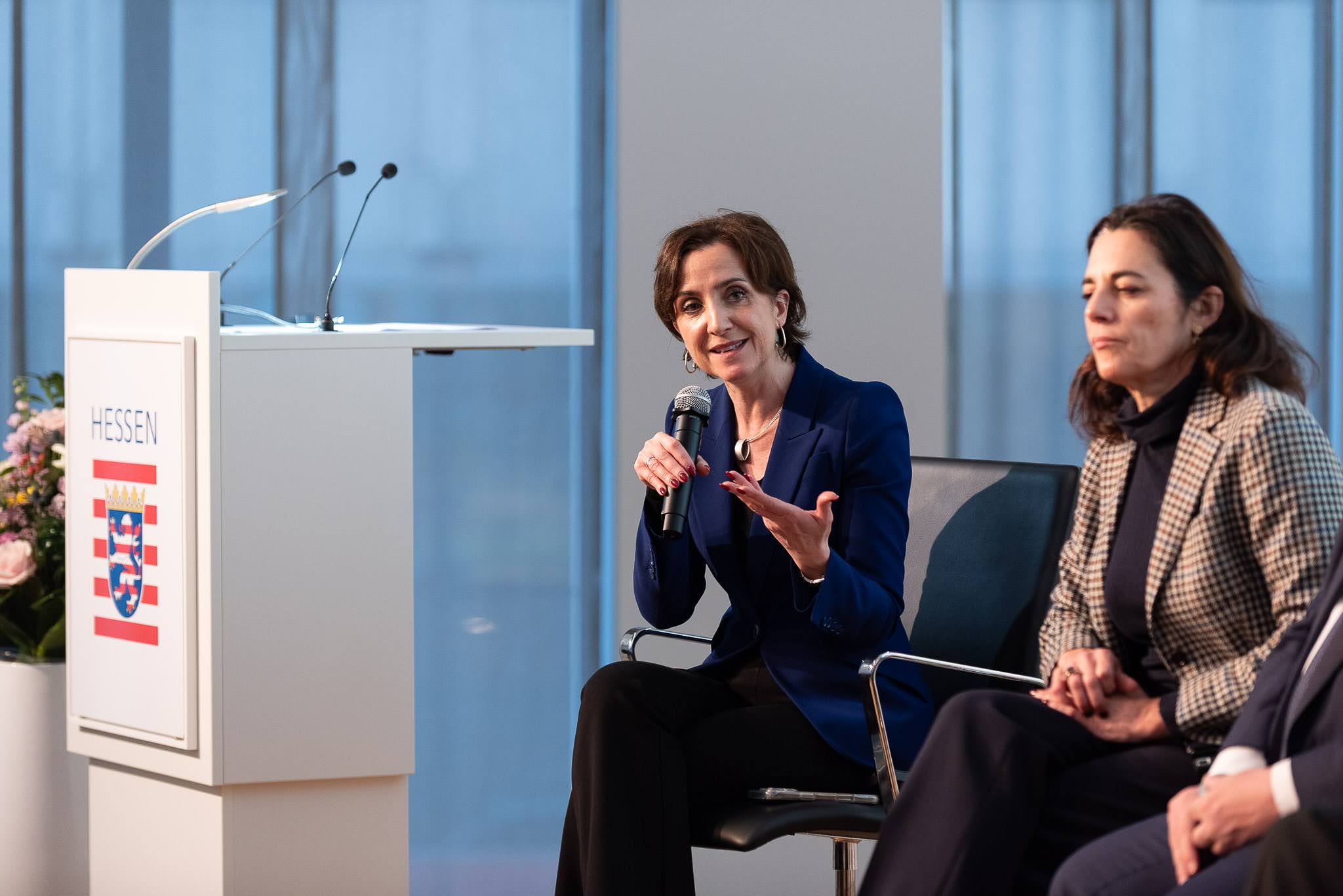
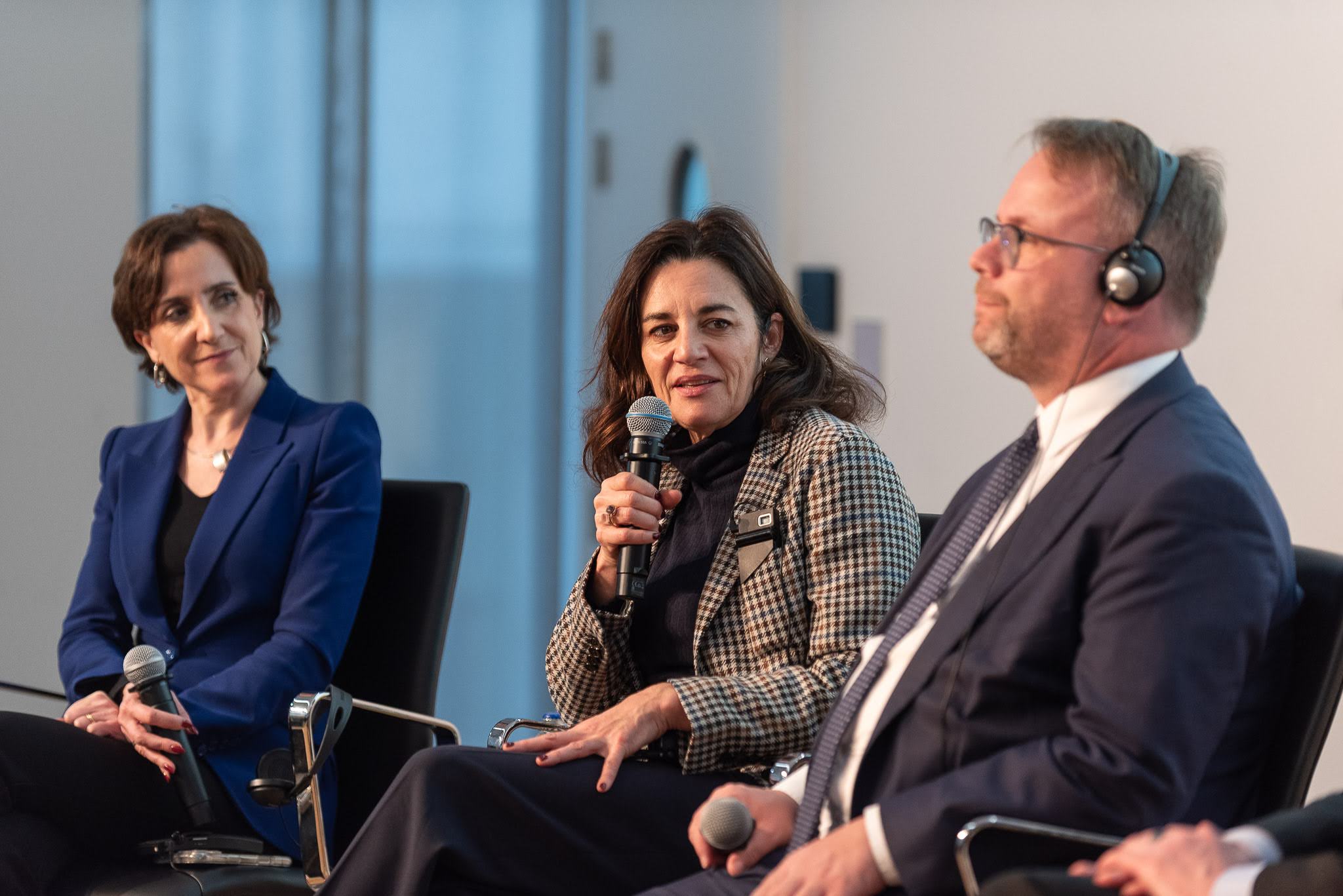
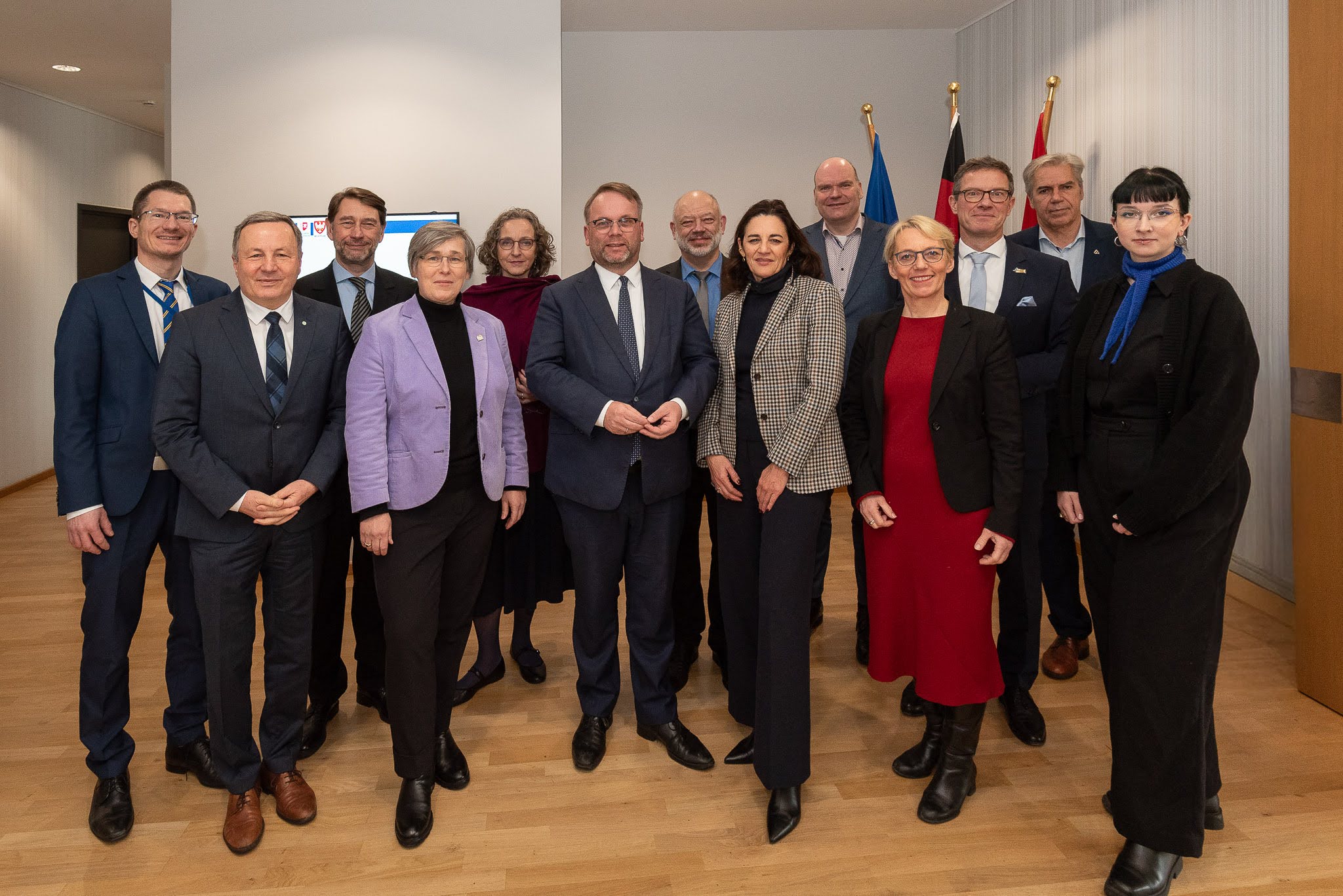
h_da President Prof. Dr. Arnd Steinmetz also emphasised the importance of stable funding for university alliances in order to be able to establish uniform structures. Among all the funded alliances, the European University of Technology in particular is the one that actually wants to grow into a European university with its own legal form. Among other things, this would require removing a number of regulatory hurdles. This makes planning security at all levels all the more important. Vanessa Debiais-Sainton showed understanding for this and emphasised that one of the goals was to create planning security. In view of the current geopolitical uncertainties, she also asked for understanding that future funding would have to be allocated more flexibly in some cases.
The panel agreed on the great importance of university alliances for a European higher education and education area and, ultimately, for a united and strong Europe. Laurence Farreng emphasised that the alliances had strengthened European identity and would emphasise European values, including the defence of academic freedom. Vanessa Debiais-Sainton pointed out that the major challenges of the future could be tackled much more effectively within university networks.
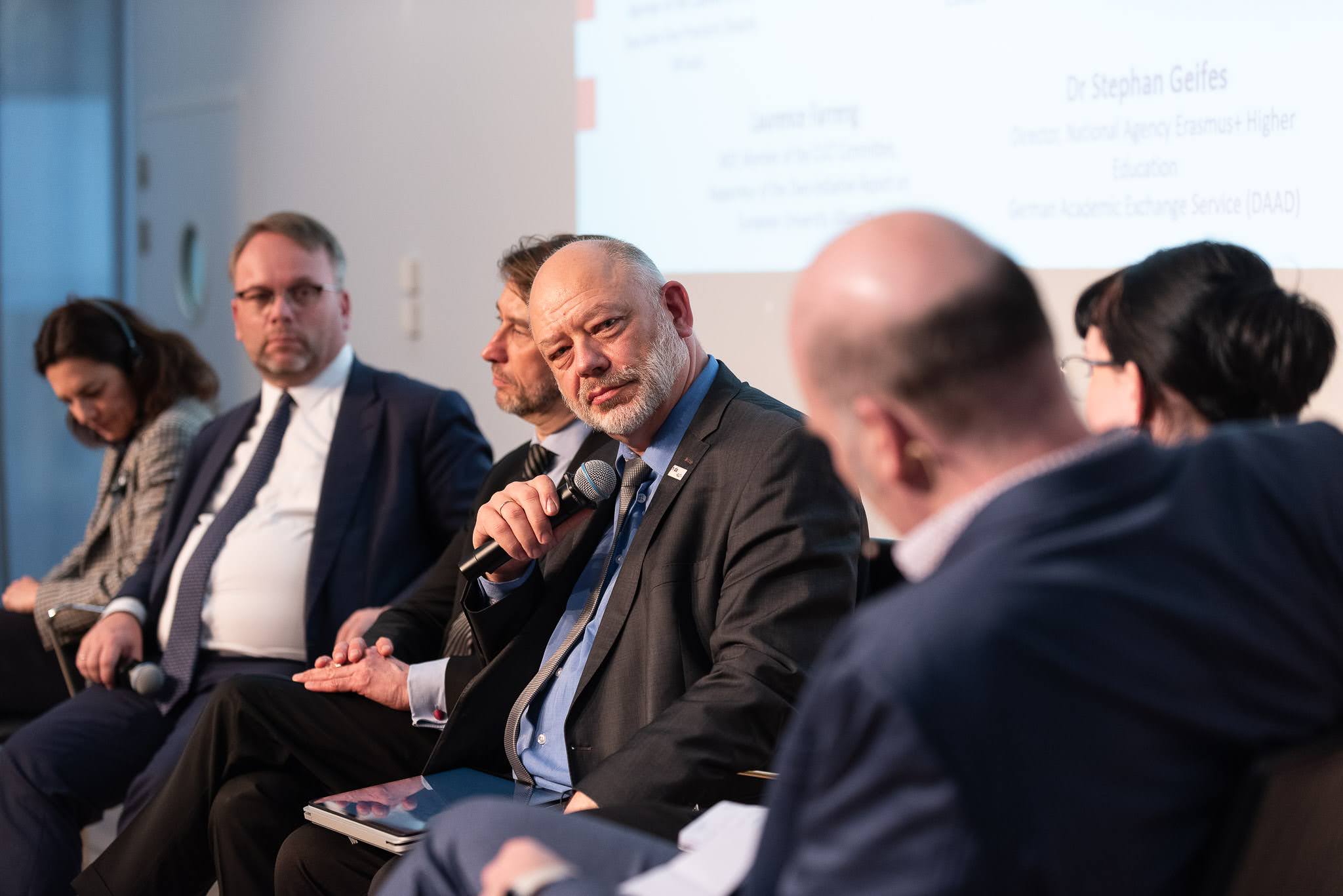
h_da President Steinmetz agreed. EUT+ universities are already benefiting from their merger on many other levels, for example in the field of research. The market for top-class researchers is particularly competitive in the field of engineering. Here, the university benefits from a European network that spans the entire continent and convinces researchers to choose Darmstadt University of Applied Sciences, for example.
He cited three further examples from the European University of Technology that demonstrate how far the network has already grown together, thereby strengthening the European idea: The ‘Common Research Affiliation’ enables researchers to publish on behalf of their university and at the same time on behalf of the ‘European University of Technology, European Union’, thus raising the profile of European research.
Students in particular benefit from the Mobility Maps Database. Here, they can easily see which subject areas already recognise modules across universities and thus better plan their stays abroad. According to Steinmetz, the next step should be a European student ID card to make stays even easier. The Entrepreneurship School is also aimed at EUT+ students. Here, EUT+ student teams present their start-up ideas, and selected teams receive funding.
Strengthening Europe sustainably
‘With our European alliances, we have successfully set out to rethink higher education at the European level – and to live it anew: as European universities,’ summarised h_da President Prof. Dr. Arnd Steinmetz. "We are paving the way so that our students will be able to study at multiple locations without any problems in the future. We are already moving closer together across national borders in teaching, research and administration. In doing so, we are bringing the experience and values of the German higher education system to this new European construct. As strong scientific alliances, we stand for innovation, freedom and democracy and contribute to strengthening Europe in the long term.
Contact the science editorial team
Christina Janssen
Science Editor
University Communications
Tel.: +49.6151.533-60112
Email: christina.janssen@h-da.de