


AI for wildlife conservation
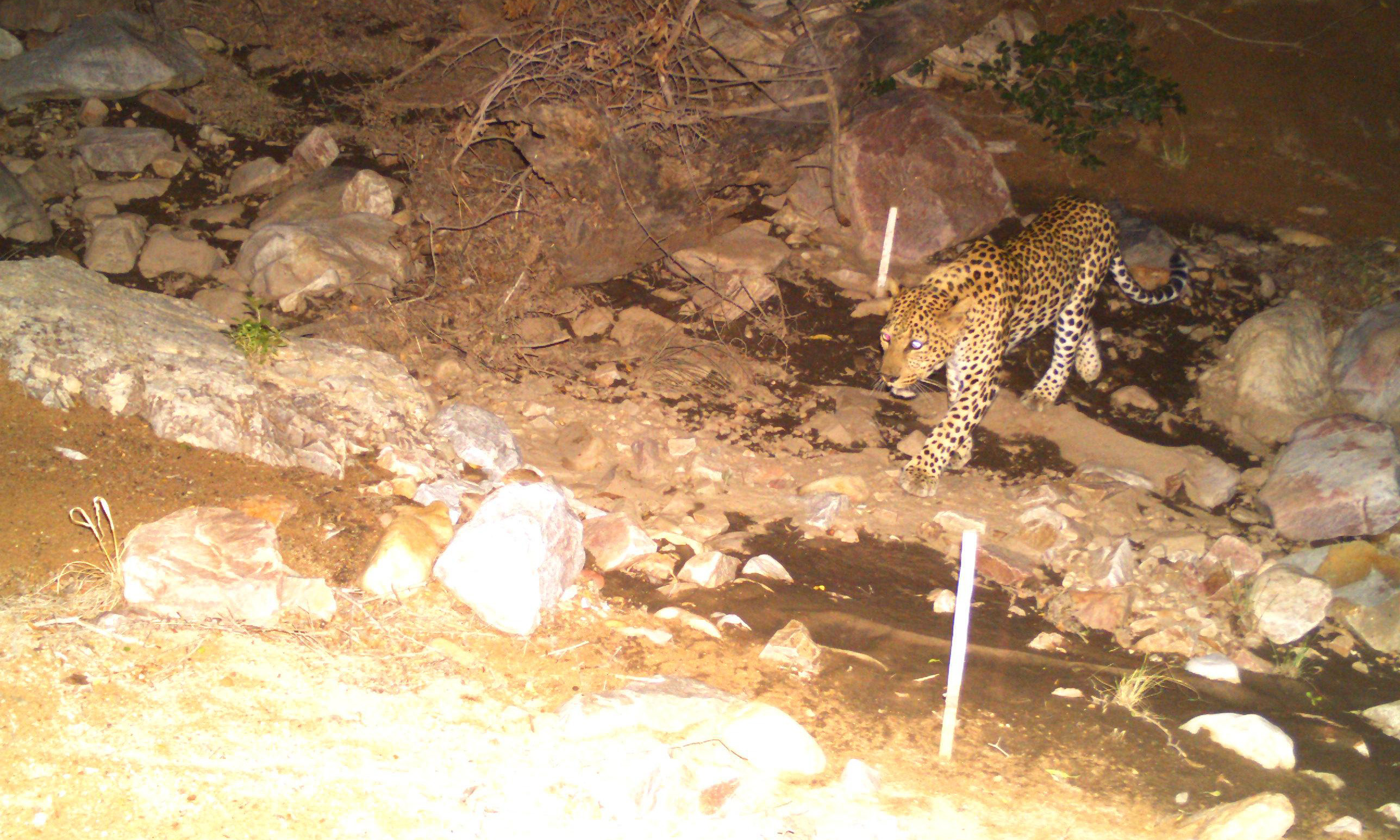
Thanks to their typical coat pattern, leopards are easy to spot. But is it also possible to tell from the brown markings (or rosettes) which specific animal is posing in front of the camera? Or can audio data reveal which bird is singing where at any precise moment? A team of computer scientists at Darmstadt University of Applied Sciences (h_da) is developing AI methods that should help to analyse image and audio recordings of wild animals more quickly and classify them automatically. In the “AI4WildLIVE” research project, they are collaborating with the Senckenberg – Leibniz Institution for Biodiversity and Earth System Research (SGN).
By Astrid Ludwig, 18.5.2026
Elke Hergenröther is Professor for Computer Vision. As a computer scientist, her work involves numbers and algorithms, but lately she has also increasingly been dealing with some of our more exotic “four-legged friends”. Although she likes biology, she would not necessarily call herself an animal lover. “It’s the inspiring people and practice-oriented projects” that appeal to her and enrich her teaching. For example, she has developed an app in collaboration with vets that visualises examinations and results and assists with medical diagnosis. This mostly involved domestic animals such as dogs or cats. Currently, however, Hergenröther is participating in a research project where lions and leopards, elephants, buffalo and exotic birds are the main protagonists.
The “AI4WildLIVE” project deals with wildlife monitoring – and how artificial intelligence can help to sort the vast amounts of data collected by wildlife cameras and classify it automatically by animal species. Whether in Africa, South America or Germany. h_da’s Faculty of Computer Science is collaborating within “AI4WildLIVE” with the Senckenberg – Leibniz Institution for Biodiversity and Earth System Research (SGN), the Frankfurt Zoological Society and the science data platform Geo Engine.
Hard work and perseverance
For researchers, data from wildlife observations is essential, but analysing it is hard work and extremely time-consuming. So far, biologists and zoologists have been obliged to spend many hours in front of the computer, clicking through hundreds of thousands of images from wildlife cameras. “Wildlife data looks very, very wild,” reports Vanessa Süßle, doctoral student at h_da. Sometimes the photos are blurred because the animal moved, sometimes it is obscured by a bush, or the images are compromised by poor lighting conditions. On top of that, the camera is often triggered without reason. “We need to do a lot of data cleansing,” says the computer scientist.
For her doctoral project, Vanessa Süßle spent over three months in South Africa to experience biological field research on site. She worked there with Colleen Downs, Professor of Zoology and Research Chair in Ecosystem Health and Biodiversity at the University of KwaZulu-Natal. She helped to catch lizards with her bare hands, hid from buffalo and put up with tick bites. She knows now how difficult it is to obtain a reliable dataset.
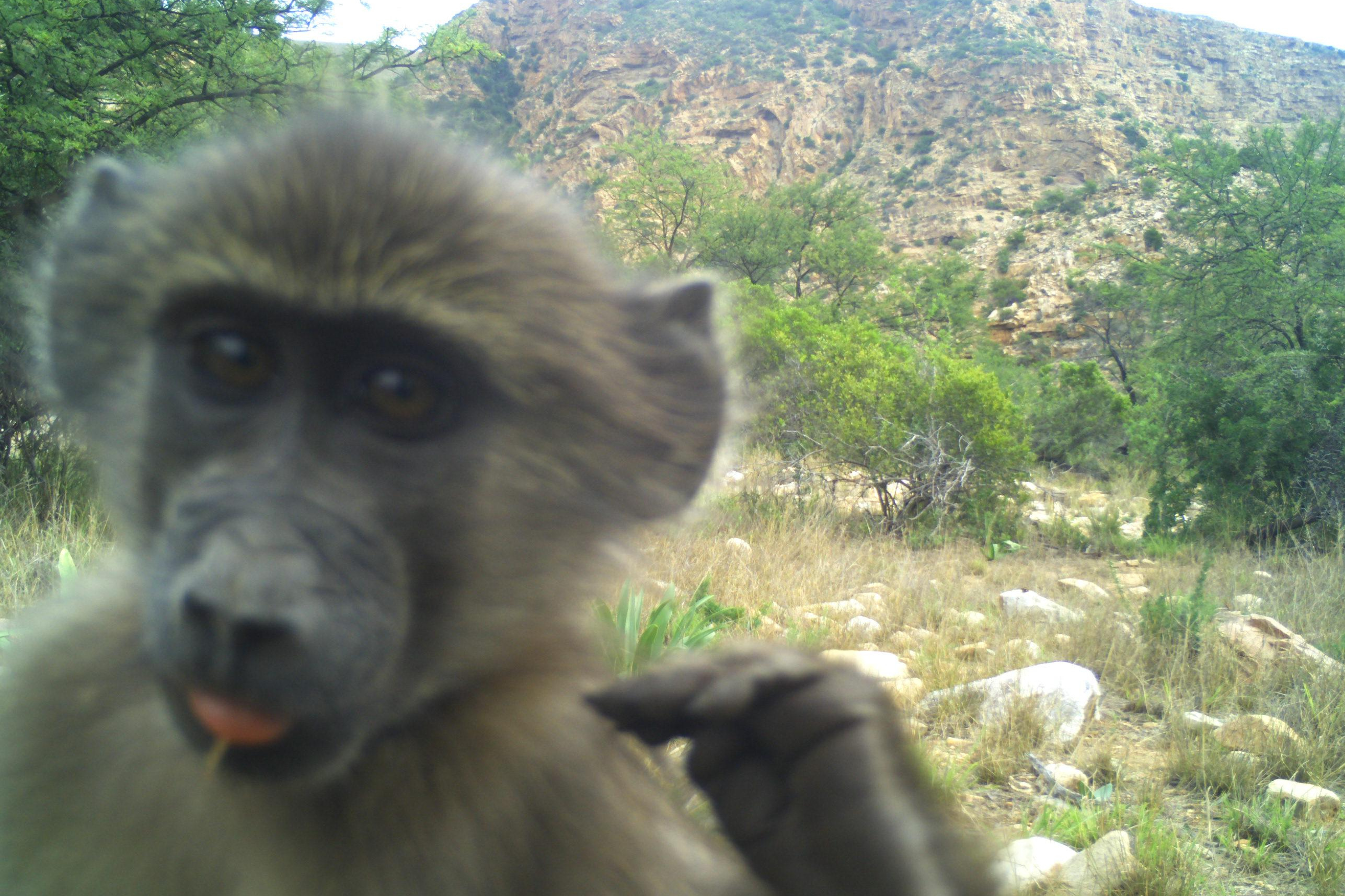
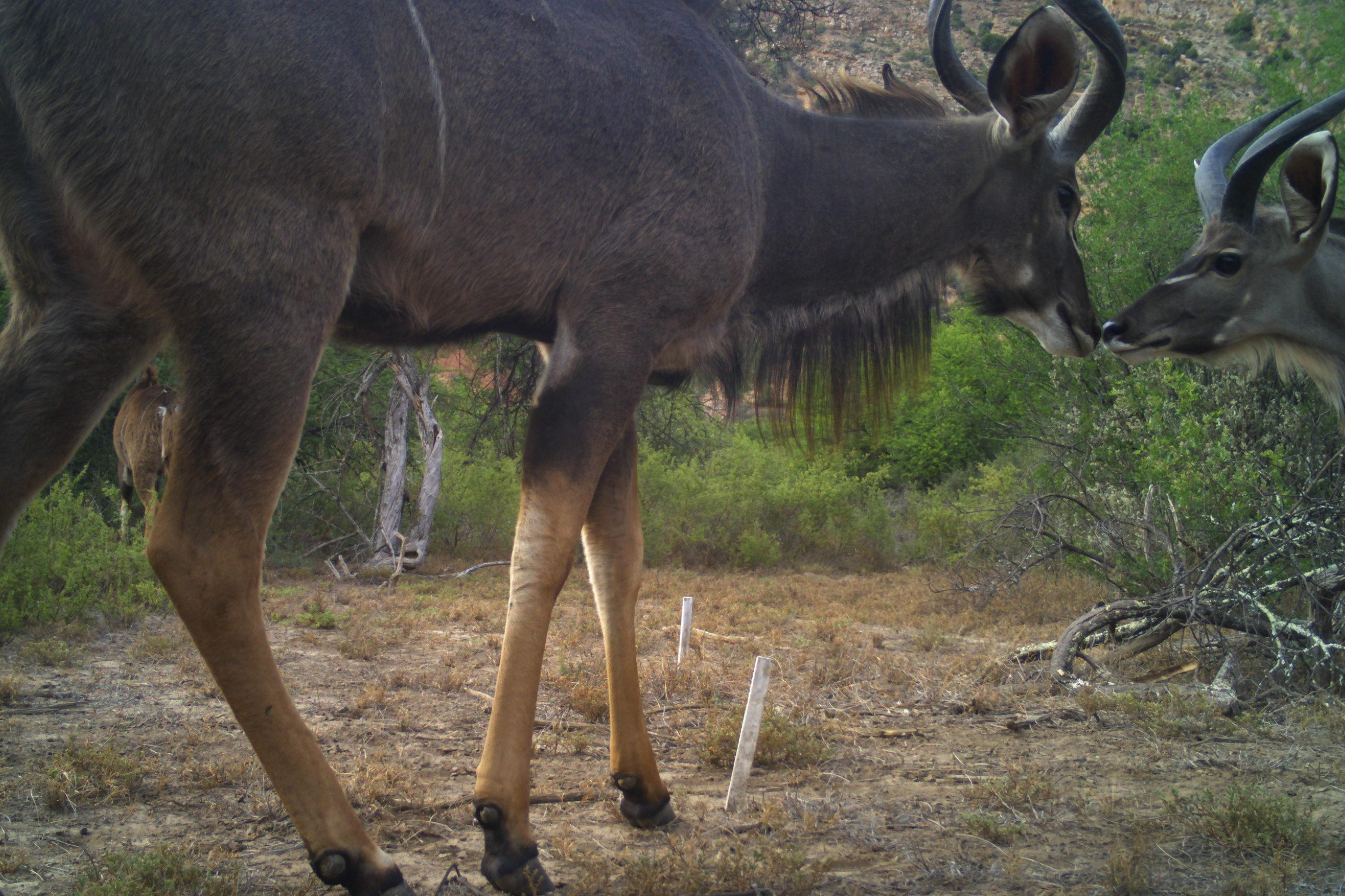
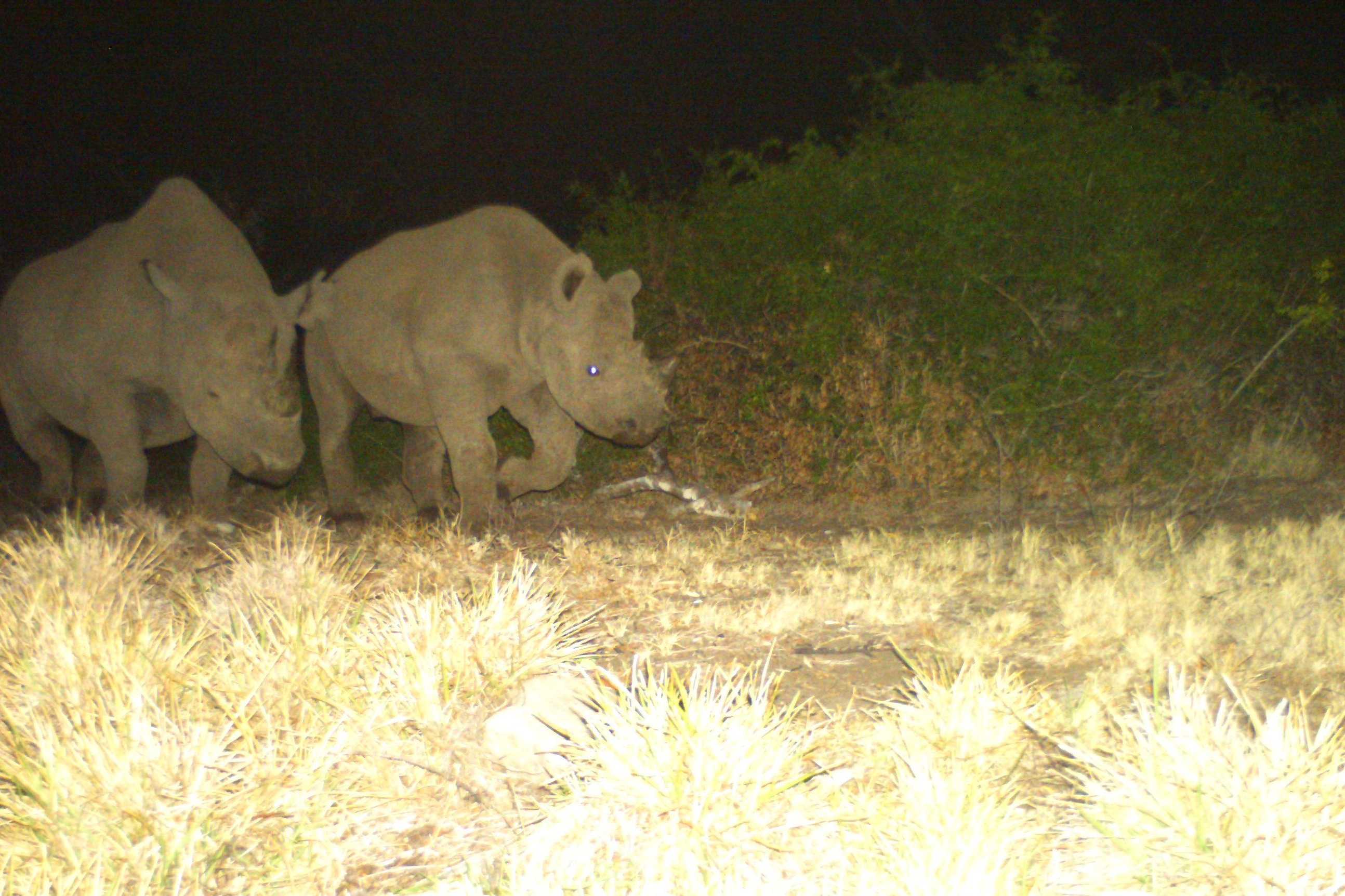
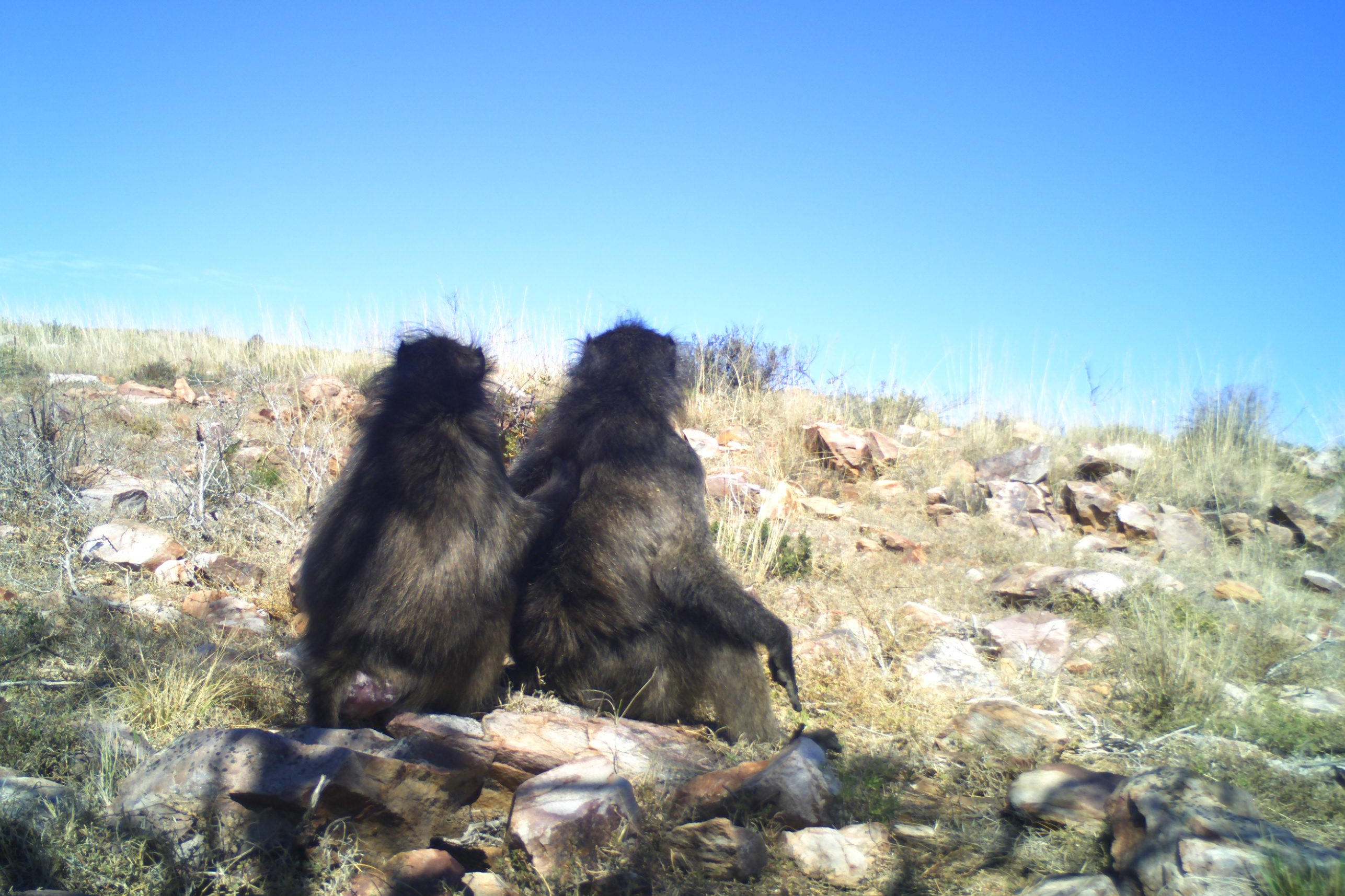
Look who’s…looking? This is how “data” captured by wildlife cameras looks.
As part of the “AI4WildLIVE” project, h_da graduate Vanessa Süßle and her supervisor Professor Elke Hergenröther want to help create a data pool from the raw footage captured by camera traps that is useful for research purposes. Süßle’s doctoral project is providing an important foundation for this, for example by applying and developing computer-assisted and partly AI-based object recognition methods that can be used to pre-sort the images from the wildlife camera. For example, all those photos are eliminated in which animals are only partially visible. This saves a vast amount of time. Of around 500,000 images taken in South Africa, around 100,000 usable ones remained, she reports.
Commitment to species conservation
“Artificial intelligence can handle huge amounts of data in seconds – data that biologists would need years to analyse manually,” says Hergenröther, an expert in data science and computer vision. “That would be absolutely impossible.” That is why one of her main interests at the Faculty of Computer Science has long been the question of how AI can be used for species and nature conservation. The university as a whole also attaches great importance to sustainability in its teaching and research. “AI4WildLIVE”, with its focus on biodiversity, “fits in very well,” underlines Professor Hergenröther.
The research collaboration came about when Hergenröther met a biologist from the Senckenberg – Leibniz Institution for Biodiversity and Earth System Research (SGN) at a “Jugend forscht” event organised as part of a research contest for young people. At the same time, Vanessa Süßle, Hergenröther’s doctoral student, was already working on a topic that dealt with nature conservation and animal welfare and headed in a similar direction. The Senckenberg researchers were busy completing the funding application for the project, which the Federal Ministry of Research, Technology and Space is supporting with €2 million. With its expertise in AI, h_da was the perfect partner “so we came on board at the last minute,” says Hergenröther.
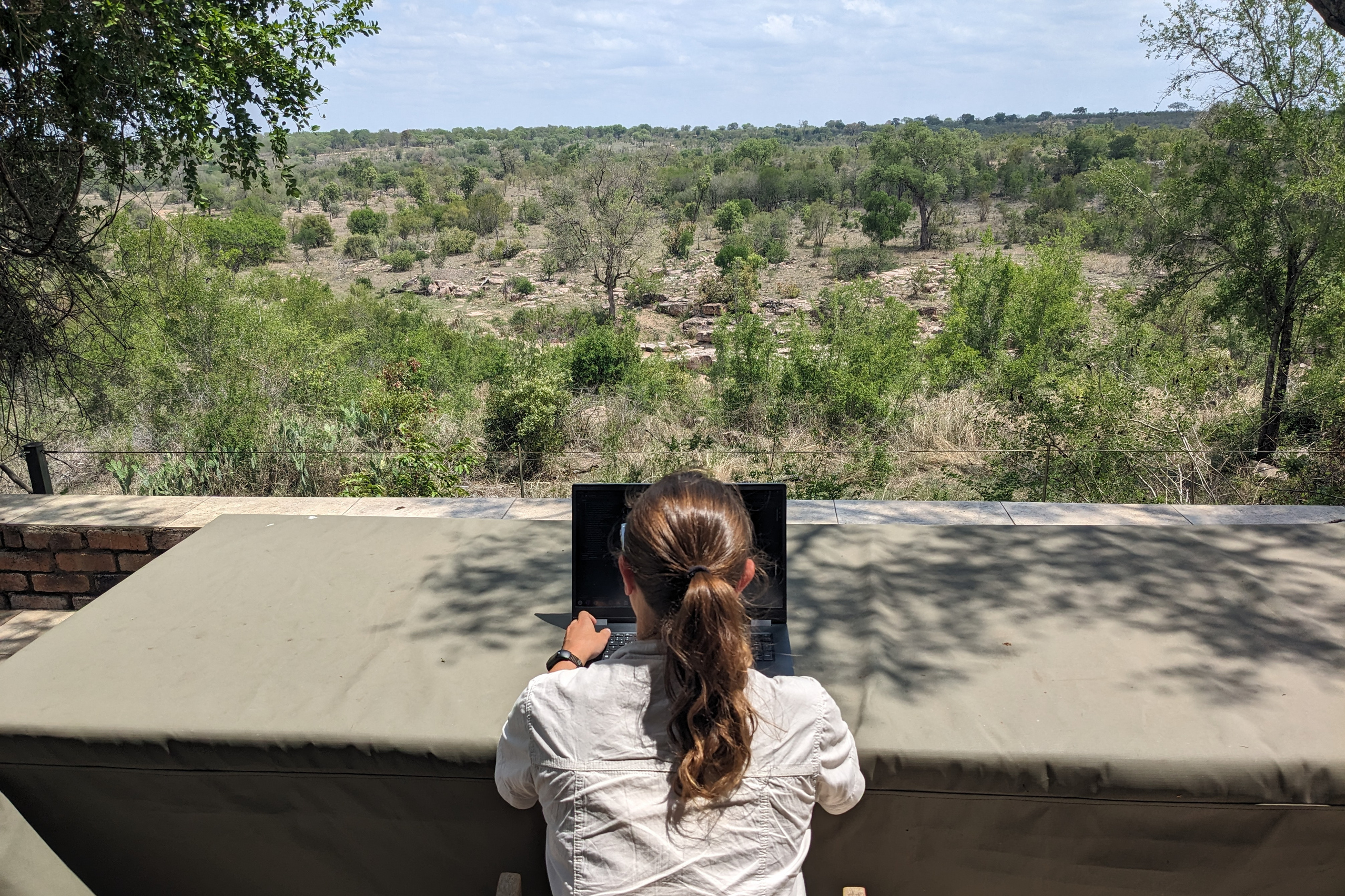
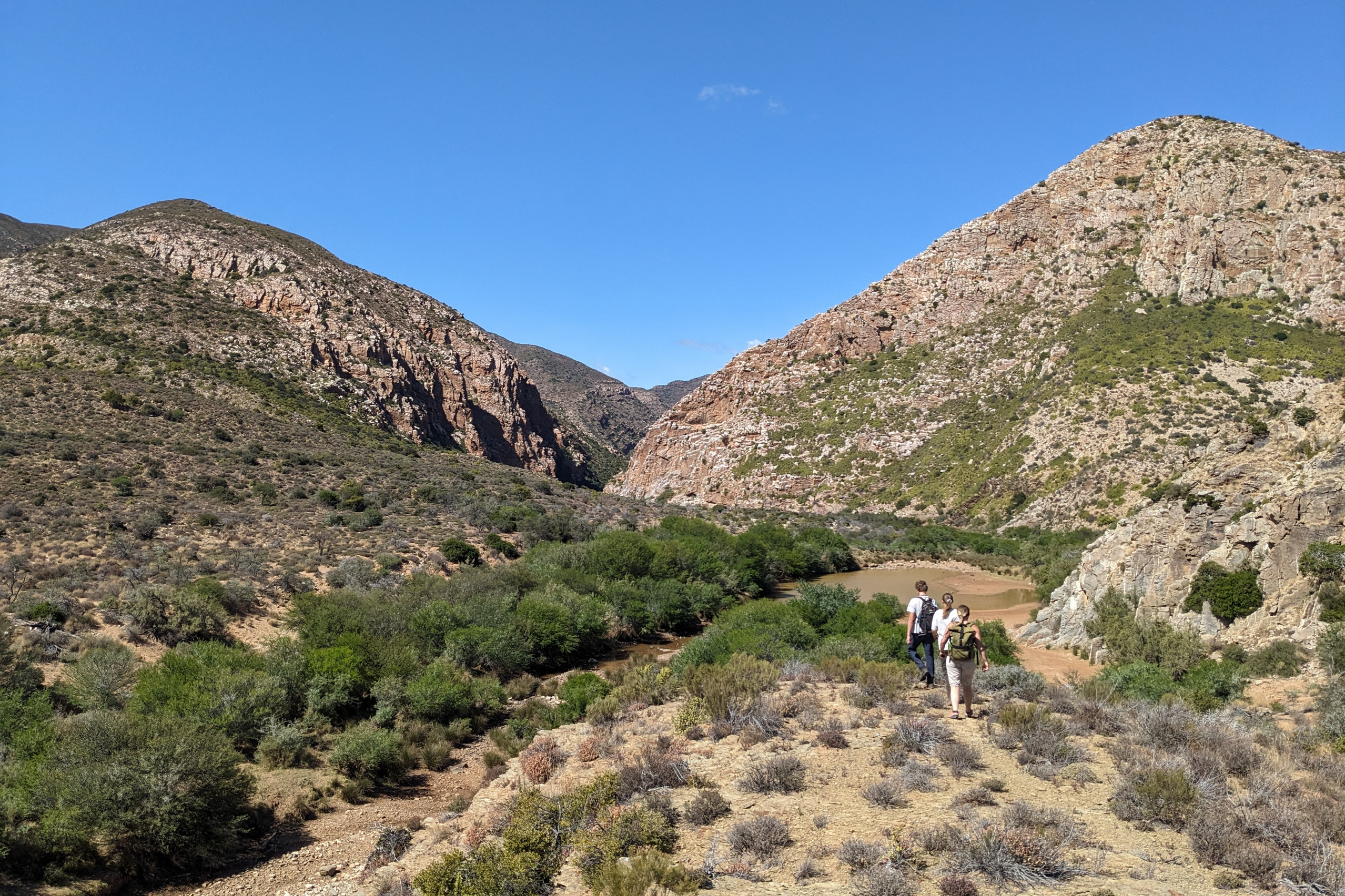
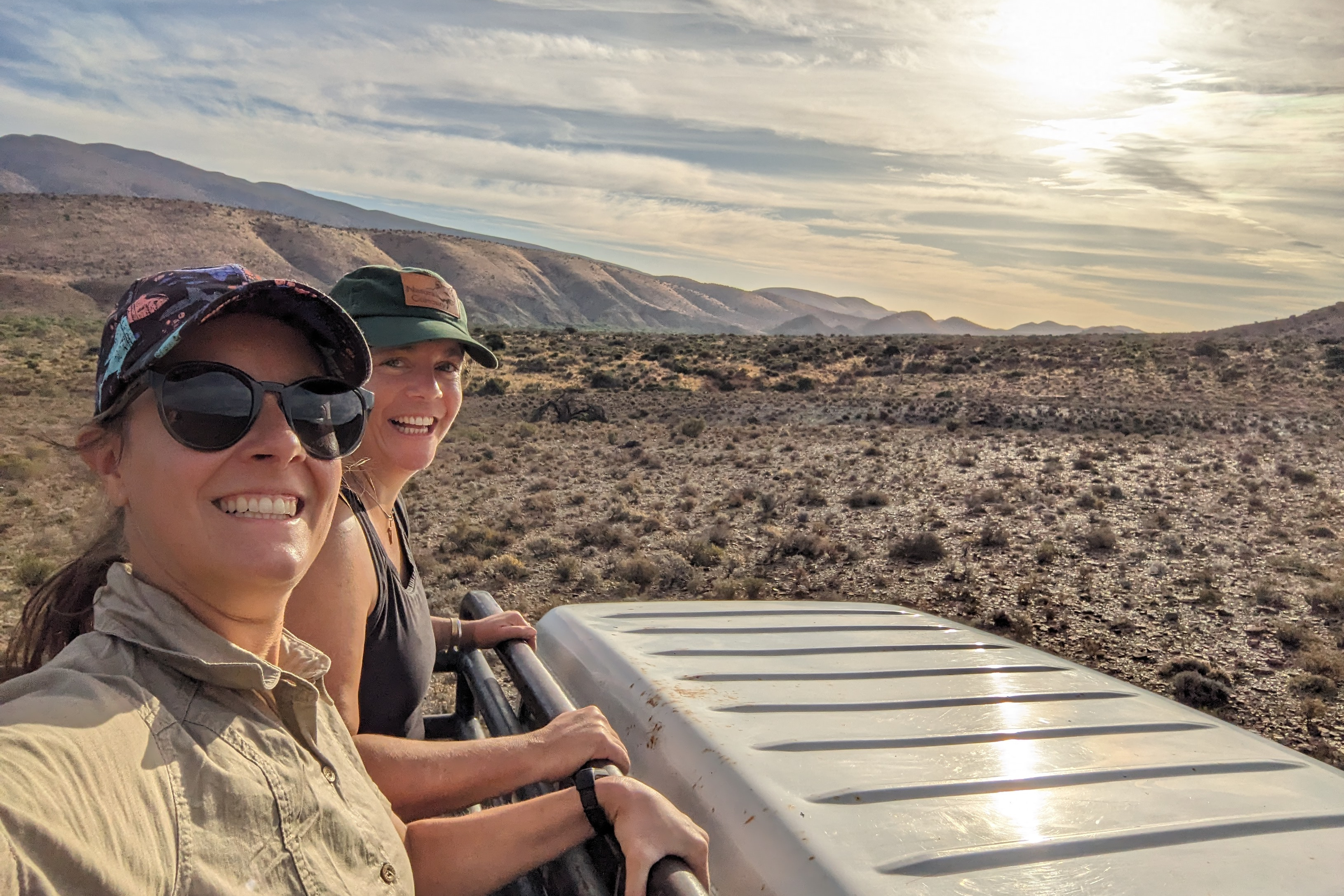
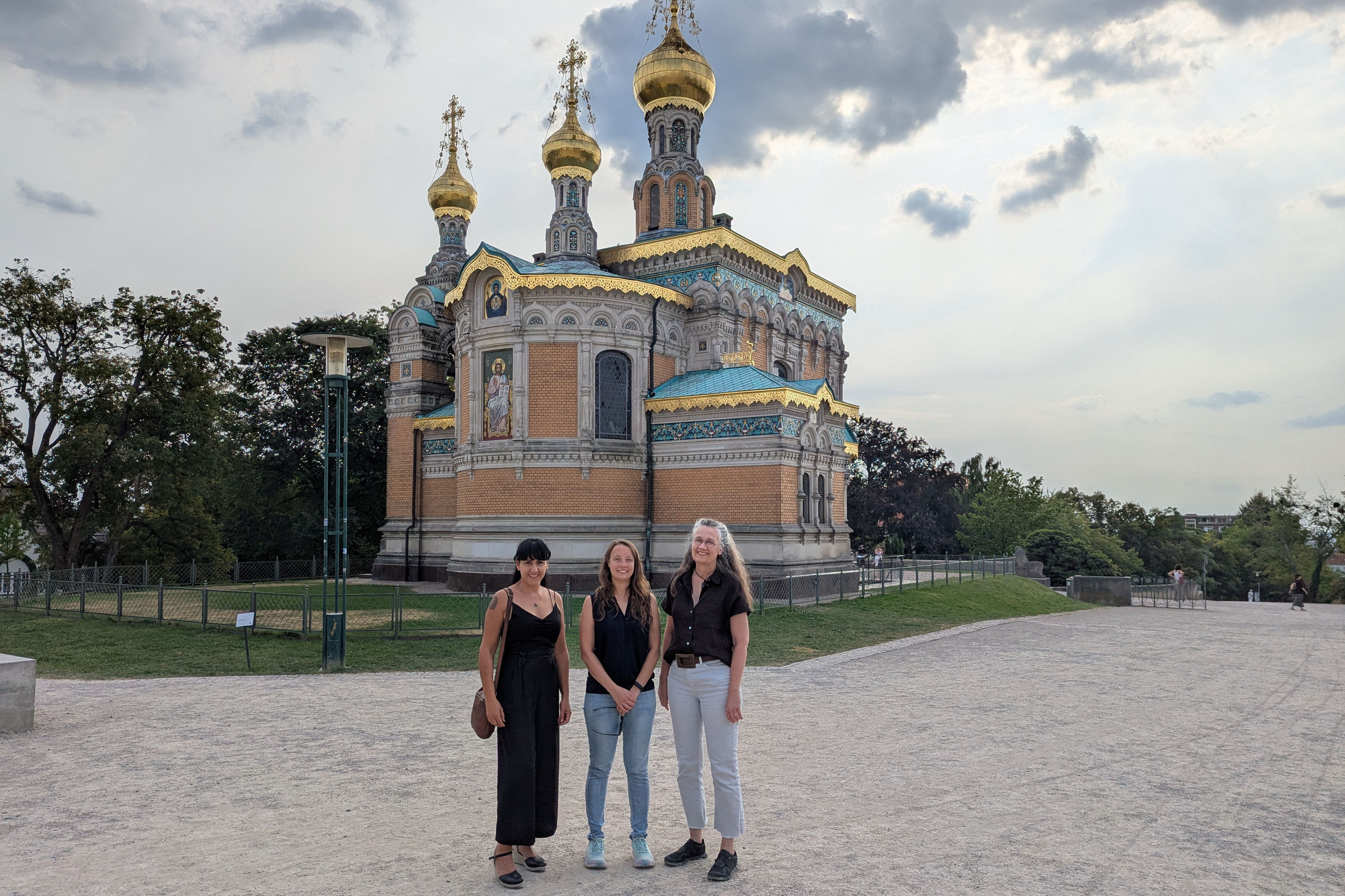
The research project started about two years ago. So far, the computer scientists have developed AI models capable of analysing photographs of wild animals and visualising audio files such as birdsong. They use these images and visual patterns to train the artificial intelligence. “We are currently working on individual recognition,” reports Professor Hergenröther. The research work conducted by doctoral student Vanessa Süßle in South Africa is now being combined with data provided by Senckenberg researchers, who are implementing projects in South America, and with information collected by tech companies such as Google. Hergenröther reports that AI models will be developed from this meanwhile very extensive data pool that are capable not only of recognising and classifying the animal species itself but also of identifying individual animals. The professor cites the leopard, with its distinctive coat pattern, as an example. All leopards have brown spots, but where these are positioned varies from animal to animal. The AI should now recognise from these patterns and pixels exactly which male or female leopard is shown on the photo.
Related articles
impact, 15.3.2023: APP HELPS WITH MEDICAL DIAGNOSIS
impact, 29.10.2024: TERABYTES AND TICK BITES
Animal welfare and species conservation are popular topics among students. Not only are all the places on the seminars run by Süßle and Hergenröther at h_da quickly taken, Bachelor’s and Master’s theses are now also dealing with these issues and complementing the research project. Currently, students are looking at how artificial intelligence can also be trained to recognise animals that have little or no fur pattern – such as lions. Or ways to teach AI models to recognise features such as ear shape or whiskers. “The students are very proactive and investing a lot of energy,” Hergenröther is pleased to report.
Darmstadt AI already in use in South Africa
Zoologist Professor Colleen Downs is already using the models developed at the faculty in her work in South Africa. Hence the Darmstadt AI is already in use. “It works very well with such a large number of files,” says Hergenröther. “But the biologists take another look at them, of course. The finer analysis is still in human hands.” According to Hergenröther, the biggest remaining challenge is, however, the difficult data material. All photos are taken using the same method – whether in strong sunlight, at night, or with infrared. That is why one idea is to “include our findings directly in the wildlife cameras,” she explains. In other words: to install technology or an AI system that roughly screens and sorts the images “to reduce the mass of data from the outset,” says Professor Hergenröther. The general aim is “to push the boundaries of what is doable so we can extract further information from data that is actually inadequate,” she says.
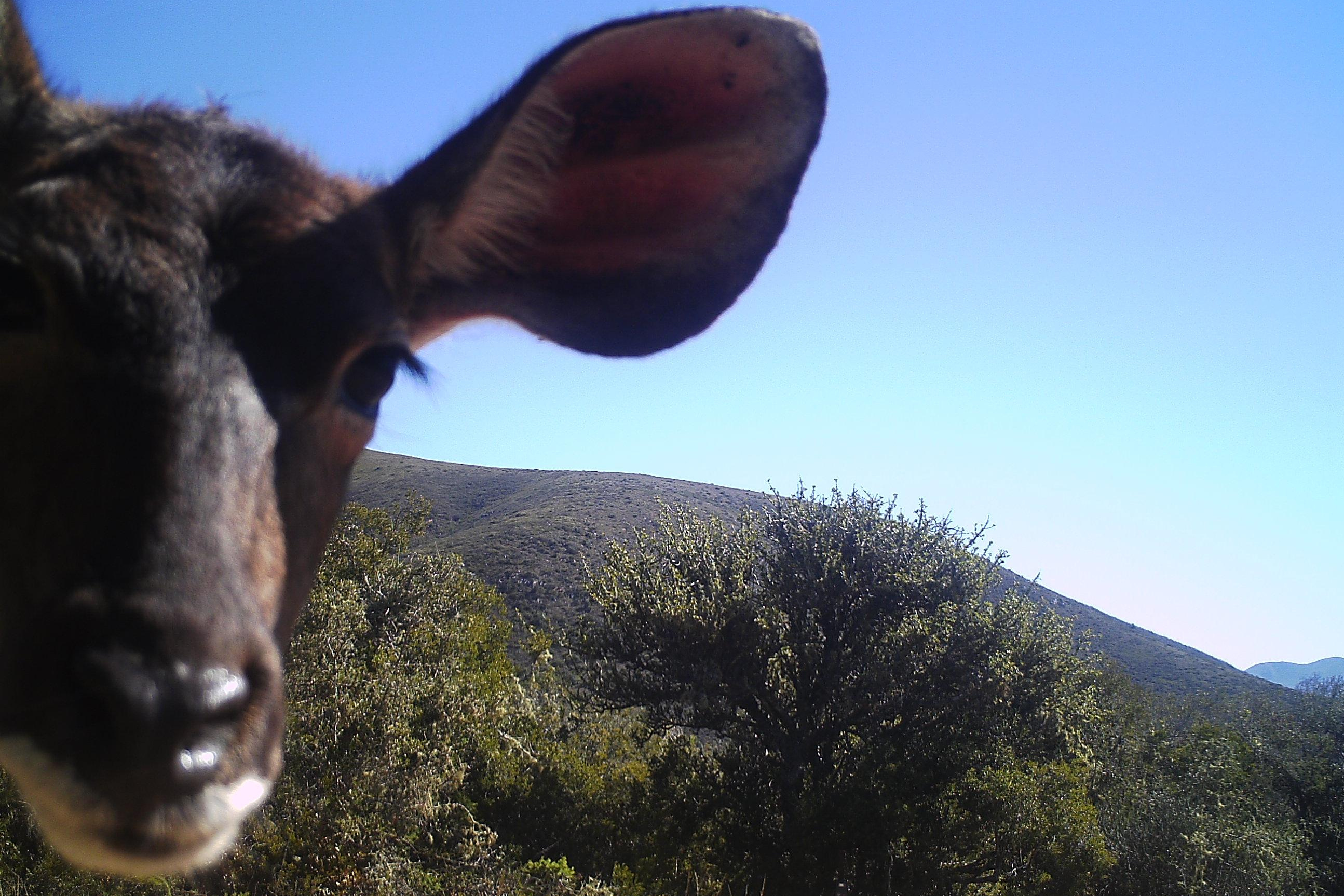
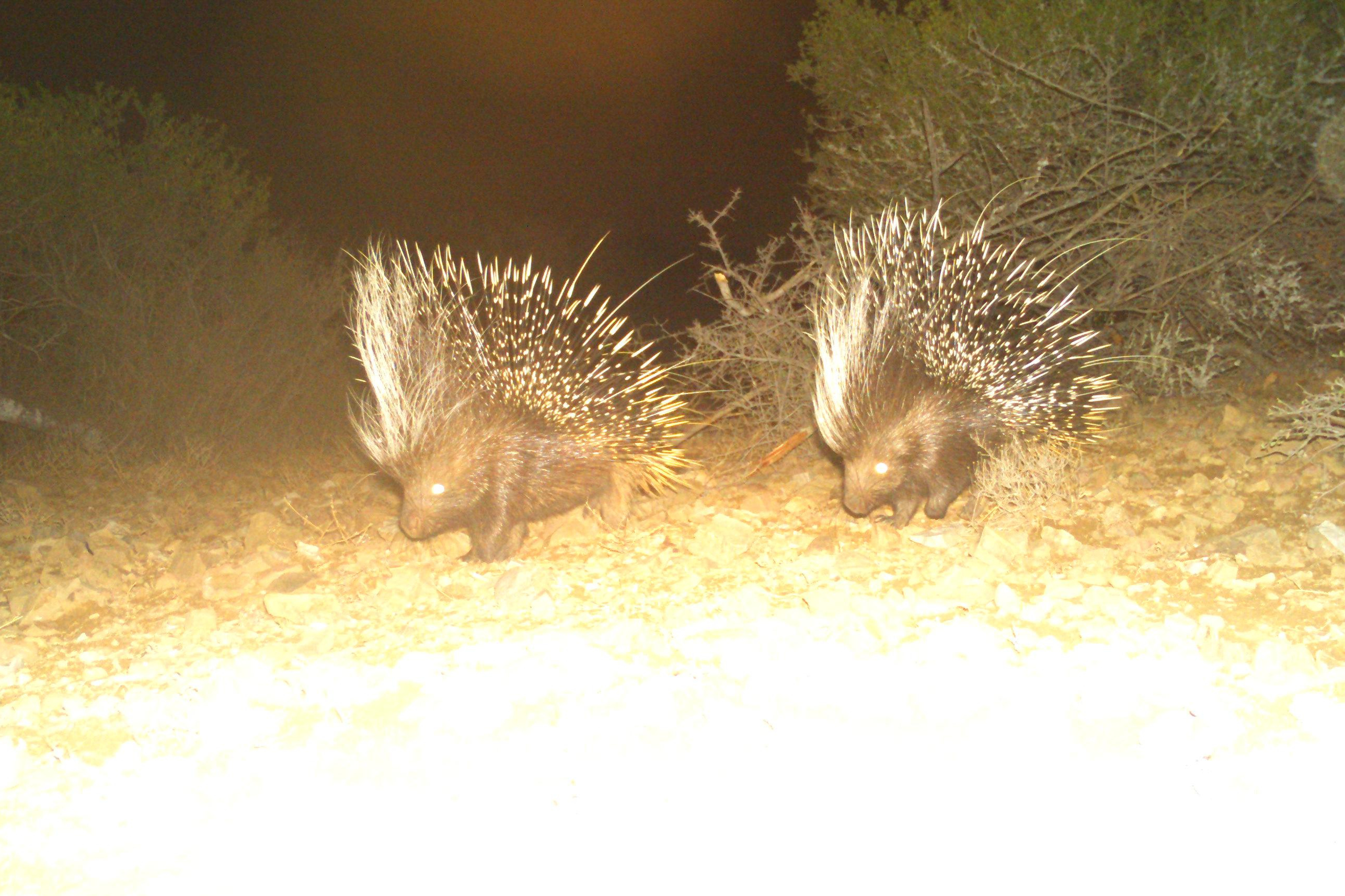
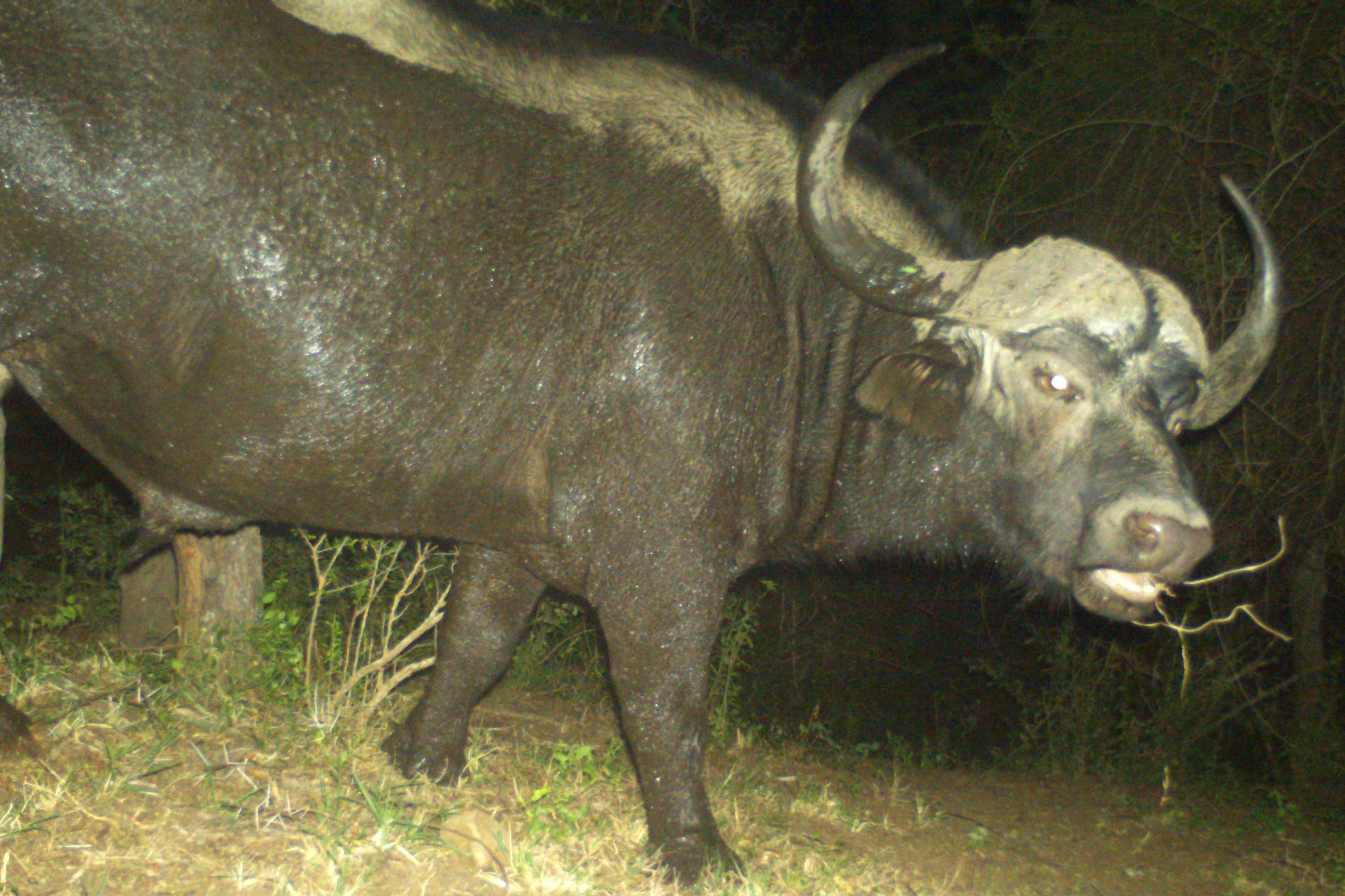
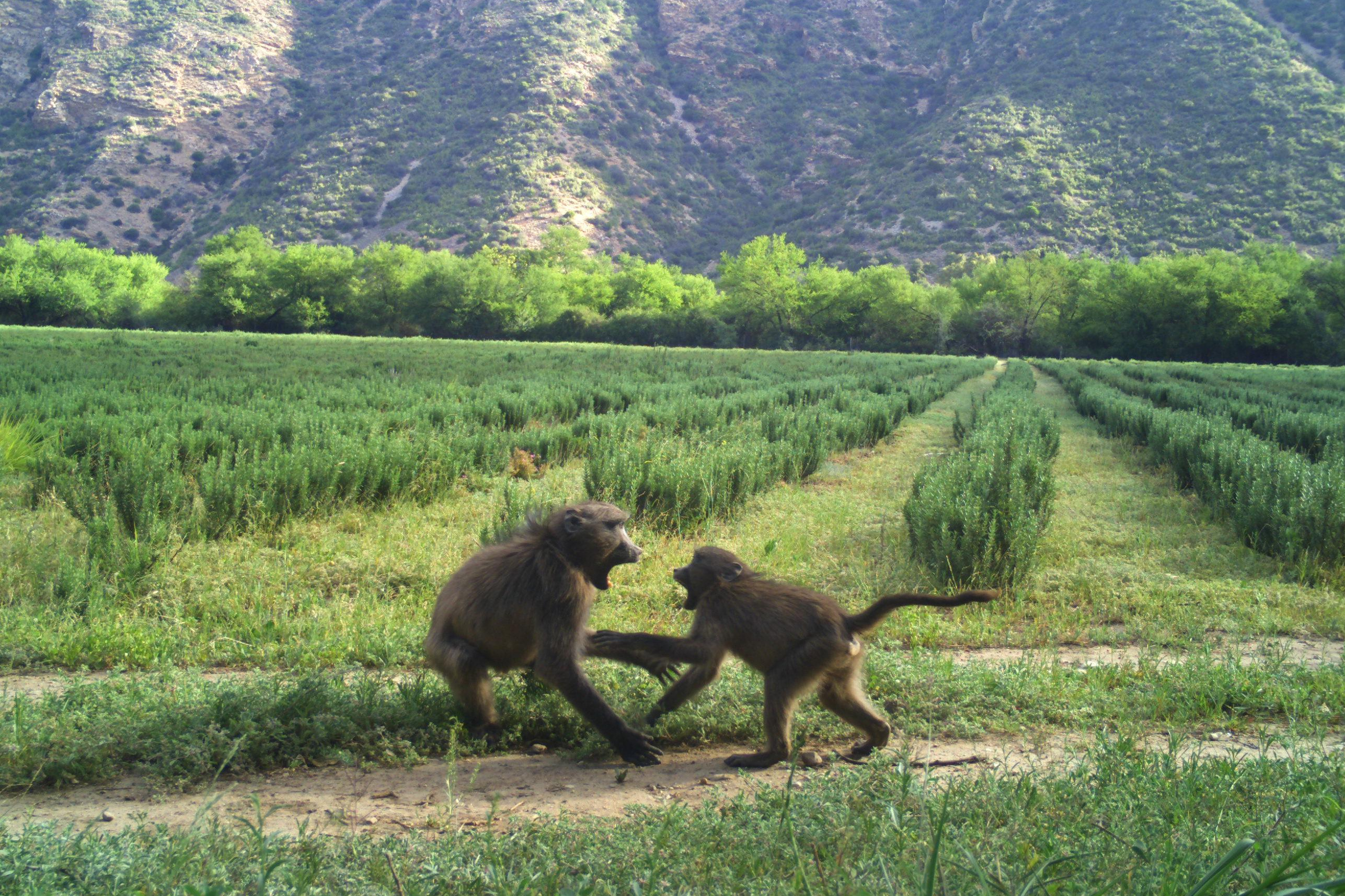
Who is watching who? The footage from the wildlife cameras delivers a vast amount of data, which can be analysed more quickly and accurately thanks to AI “Made in Darmstadt”.
In their research and AI development work to date, the scientists have concentrated on individual images. However, the reality in front of the camera lens is quite different: the animals filmed are not entirely motionless – they run, eat, hunt or sleep. The camera captures a sequence – a series of images. That is why the aim is to train the AI to analyse behaviour too. What exactly is the animal doing right now? Hergenröther reports that another doctoral student at h_da’s Doctoral Centre for Applied Computer Science has been working on this topic since the end of 2025. He is analysing short animal recordings and endeavouring to classify the actions visible in the videos automatically with the help of AI models such as ChatGPT.
Transferable to industrial processes
Not only for nature and species conservation are the findings from the doctoral projects and “AI4WildLIVE” important. “The process chains developed could also be transferred almost 1:1 to industrial applications when it’s a matter of detecting tiny differences automatically or handling poor-quality image and audio recordings,” explains Hergenröther, highlighting that a similarly trained AI could also be used in collaboration with the police and the Crown Prosecution Service to analyse and combat child pornography images and videos.
Platform for citizen scientists
Funding for the research project will continue until 2027. One part of the work conducted by Senckenberg, headed by Dr Martin Jansen, is to involve the public on a broad scale and develop a participatory platform for uploading data and images. The aim of the portal (WildLIVE-Portal – Data Management Platform for Camera Traps) is to encourage interest in biodiversity and species conservation. Members of the public are invited to become involved as citizen scientists and browse the latest animal sightings captured by the Senckenberg camera traps. In this way, anyone with an interest can help test the AI predictions by identifying species. This should upgrade the AI’s accuracy.
According to Professor Hergenröther, several thousand members of the public have already registered. To support this, Professor Andreas Weinmann, who previously taught mathematics at h_da and now works at the Technical University of Applied Sciences Würzburg-Schweinfurt, is developing AI methods that should make data analysis by the citizen scientists more efficient.
Contact our Editorial Team
Christina Janssen
Science Editor
University Communications
Tel.: +49.6151.533-60112
Email: christina.janssen@h-da.de
Translation: Sharon Oranski