


Children’s Rights Square in Eltville
How might public squares look that are both child-friendly and resilient to climate change? In Eltville am Rhein, the town council, Darmstadt University of Applied Sciences (h_da) and local youngsters have together initiated a living lab. The Public Management study programme at h_da is responsible for the project’s scientific supervision; researchers and students from other faculties are also contributing their expertise.
By Christina Pfänder, 1.4.2026
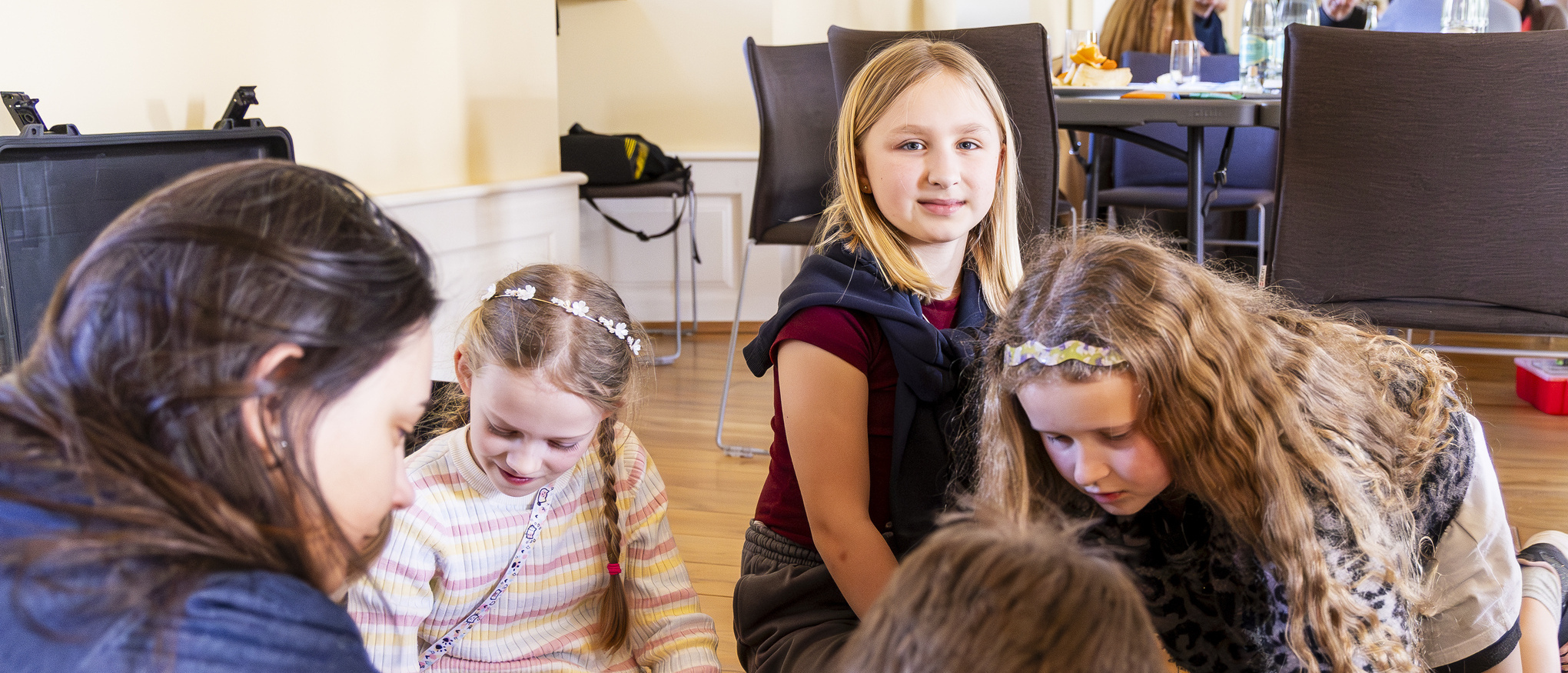
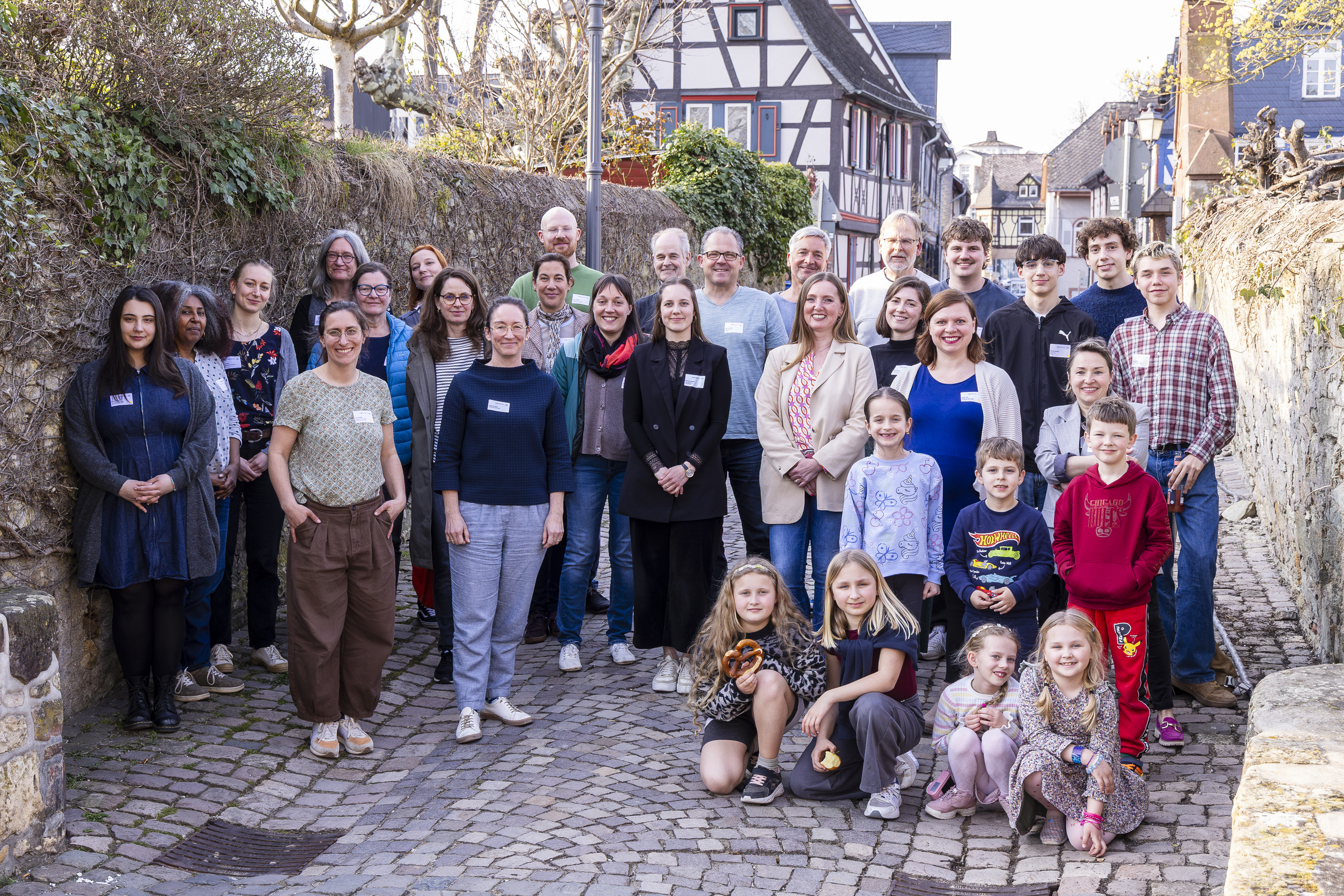
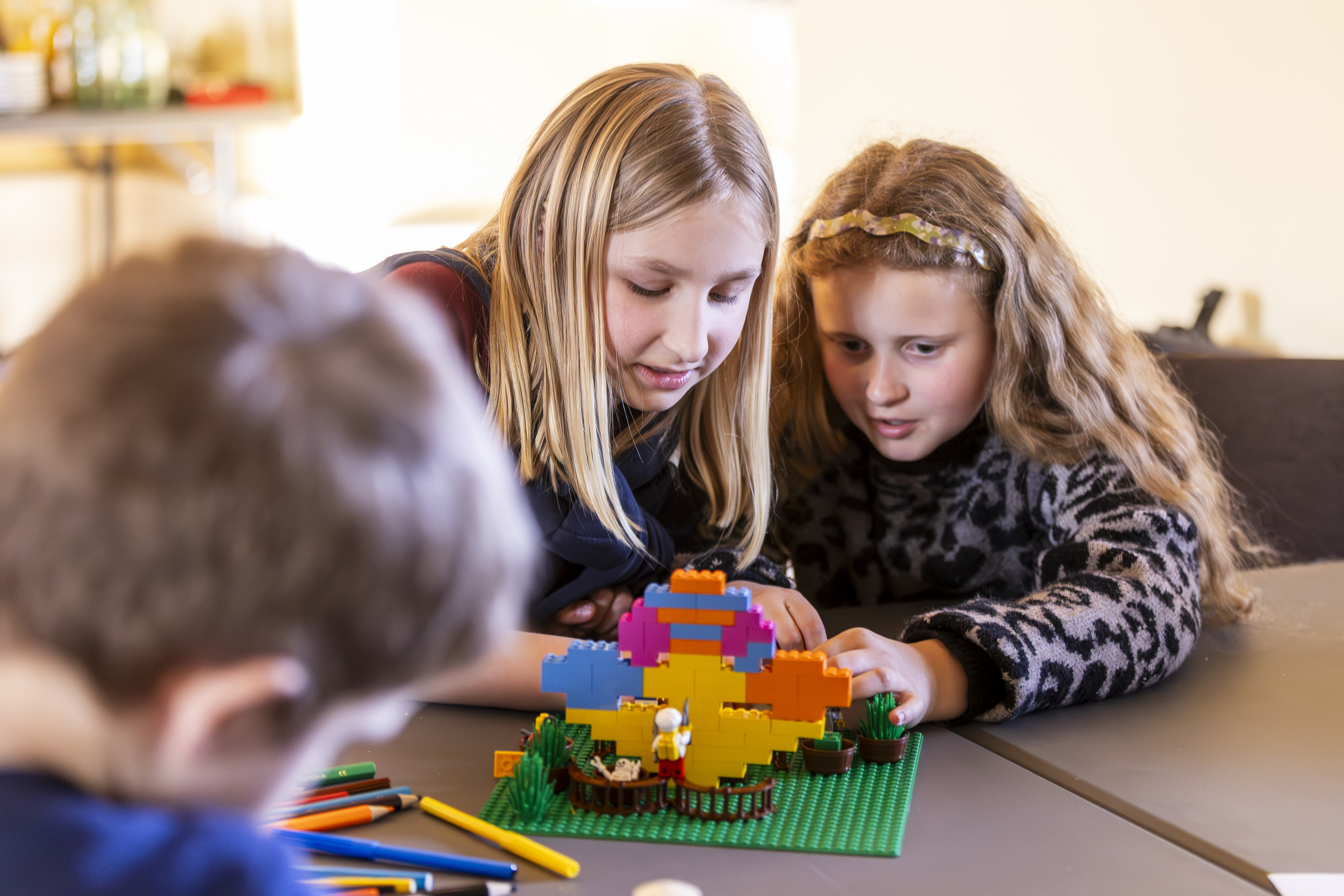
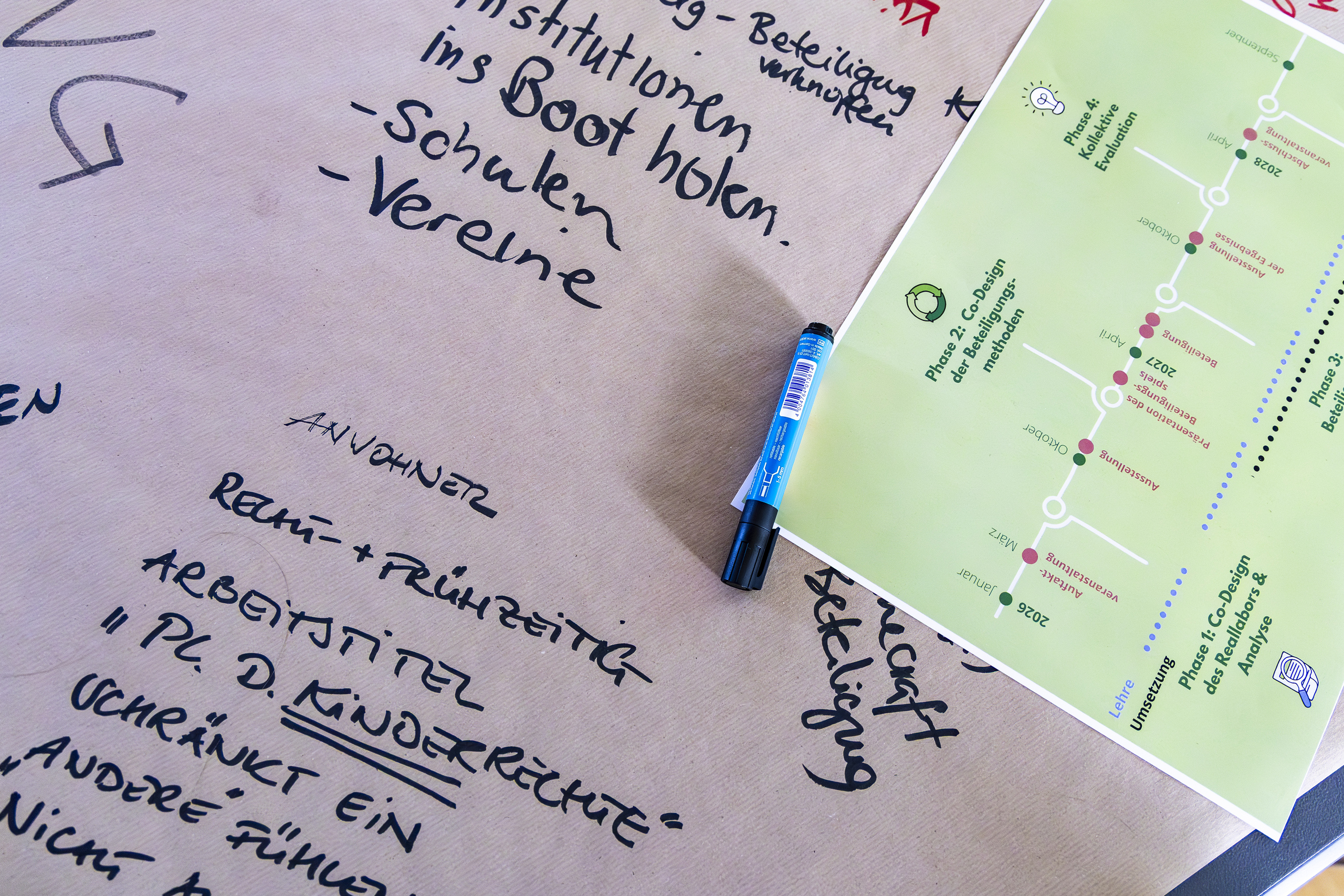
The activities underway at Eltville Castle one afternoon towards the end of March are not about history but about the future. The Main Hall is filled with display boards, boxes of Lego and four tables, each with a specific theme. Town officials, researchers from different faculties at h_da, and children and youngsters have joined forces to kick off a special project: together, they are devising initial ideas for “Children’s Rights Square” – a place that stays pleasantly cool even on hot days and offers young people space to play, meet up and chill. The around 35 participants discuss, draw and build models, gather suggestions and assign tasks for the coming months. Schoolchildren are involved from the outset – and propose their own visions for “their” square.
Dr Eszter Tóth, a research associate on h_da’s Public Management study programme at Darmstadt Business School, is the coordinator for the three-year project “Children’s Rights Square: Designing Climate-Adaptive Urban Spaces with Children”. She has extensive experience in projects where young people actively contribute to designing their towns. “Many local authorities are exploring how they can adapt their towns to heatwaves or heavy rainfall,” says Tóth. “Yet children and youngsters, who will experience these changes over the longest period, are rarely systematically involved in the process.”
That is why the aim is not simply to design the square and then leave it to its destiny – or to the children – but instead to continue monitoring it scientifically. The project will test how a climate-adapted urban space might look in practice on a site located in the immediate vicinity of nurseries, schools and youth centres that is so far predominantly sealed. Trees, shade, permeable surfaces and places to play and while away the time: the university is examining how children and youngsters can be involved in designing climate-resilient urban spaces – and how these processes can act as common learning platforms for children, students and local administration. The results will be evaluated scientifically and serve as a model for other local authorities. The initiative “Transformative Education for Sustainable Development” of the German Federal Environmental Foundation (DBU) is funding the project.
Benefit for all generations
The plan is for the project to involve staff from various town council departments as well as around 350 local children – including ones from nurseries and schools, the Bethania Children’s Village in Eltville and the youth centre. Rather than offering finished designs, the planning team will first bring along materials, questions and plenty of time. “We will develop ideas and approaches together with the children and youngsters in a fun way on site,” explains Tóth. Depending on the specific phase, around 100 students from different faculties at h_da – including Social Work, Architecture, Civil and Environmental Engineering, and Darmstadt Business School – will also work on the project and experience first-hand how scientific findings are directly transposed into town planning in a practical context.
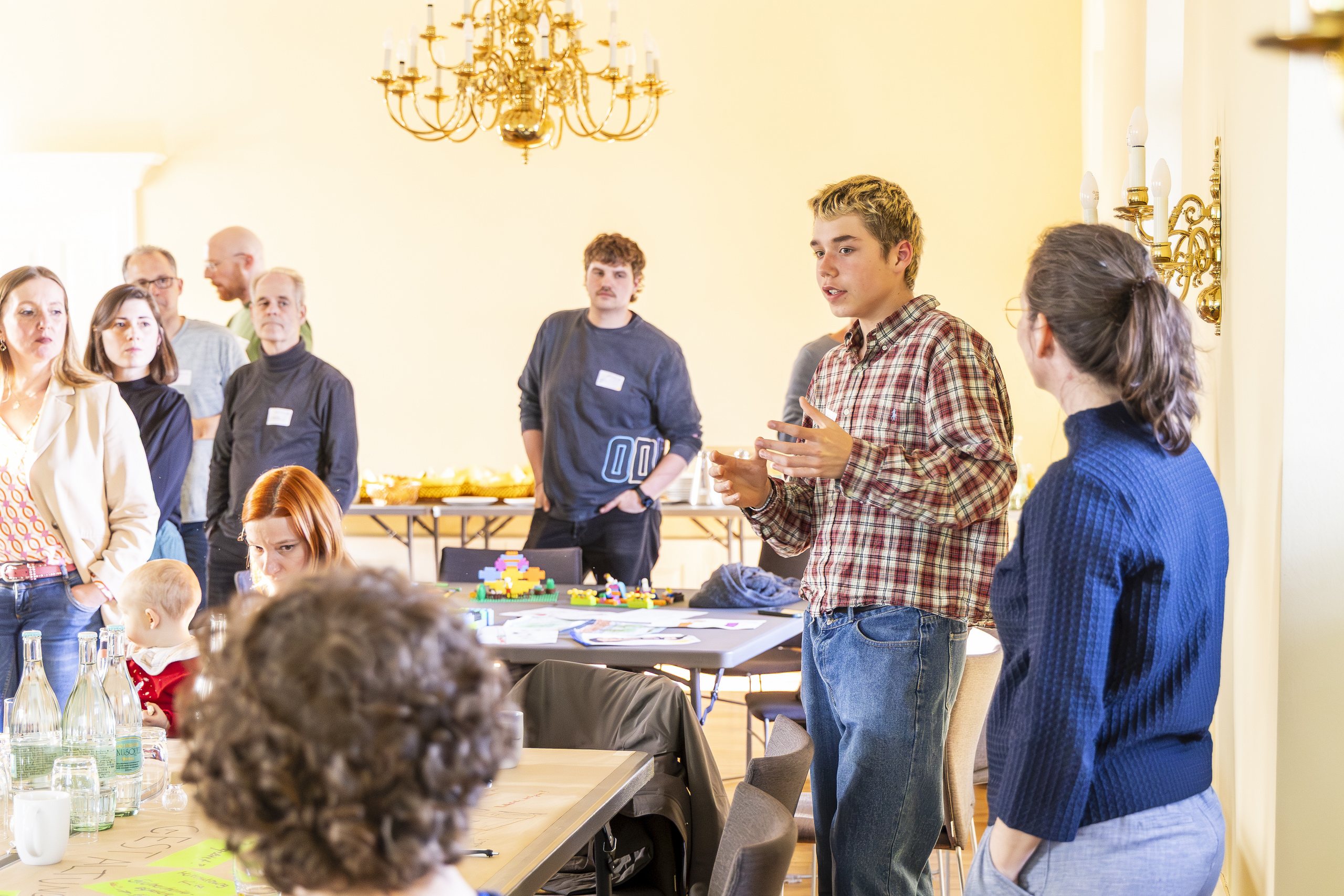
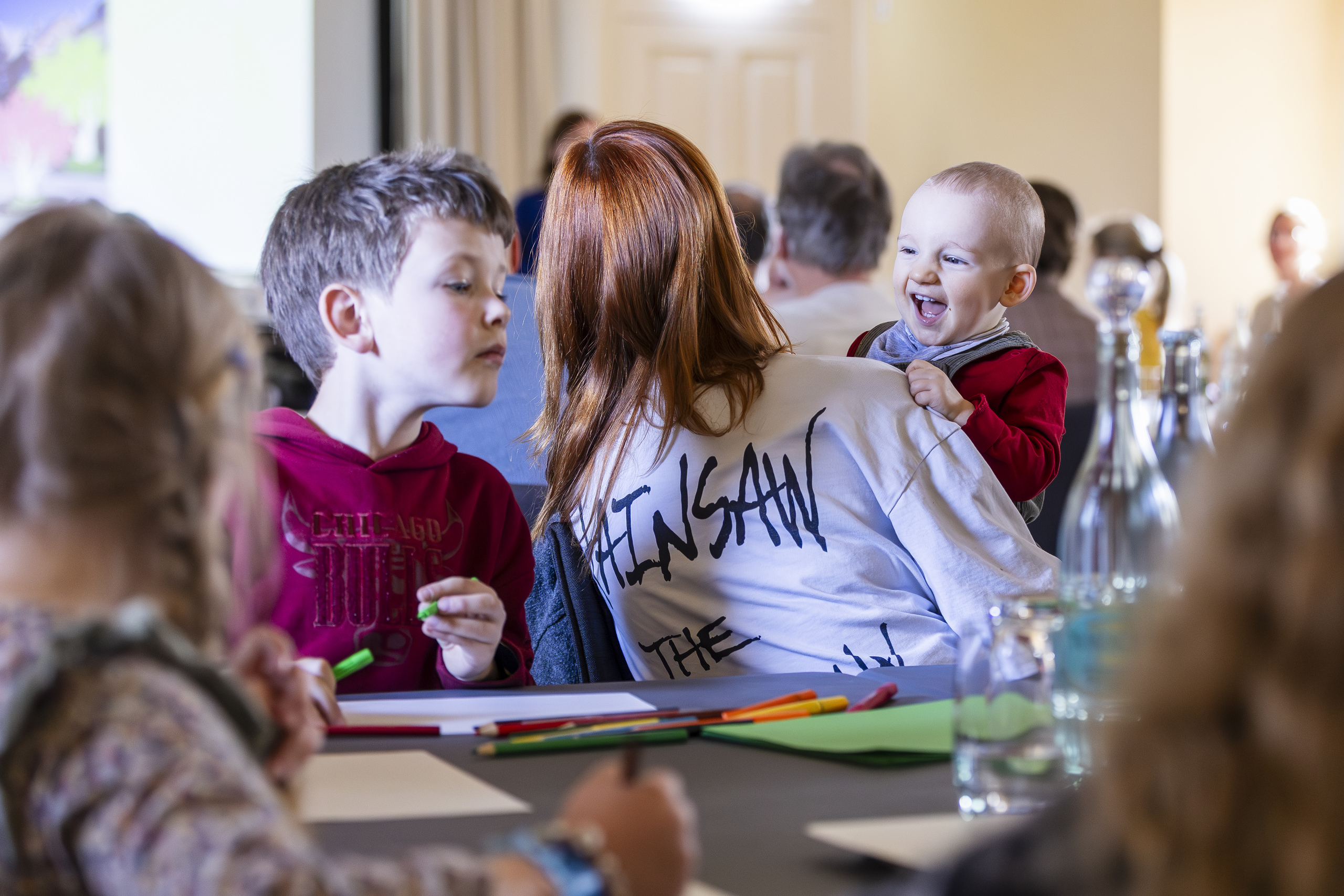
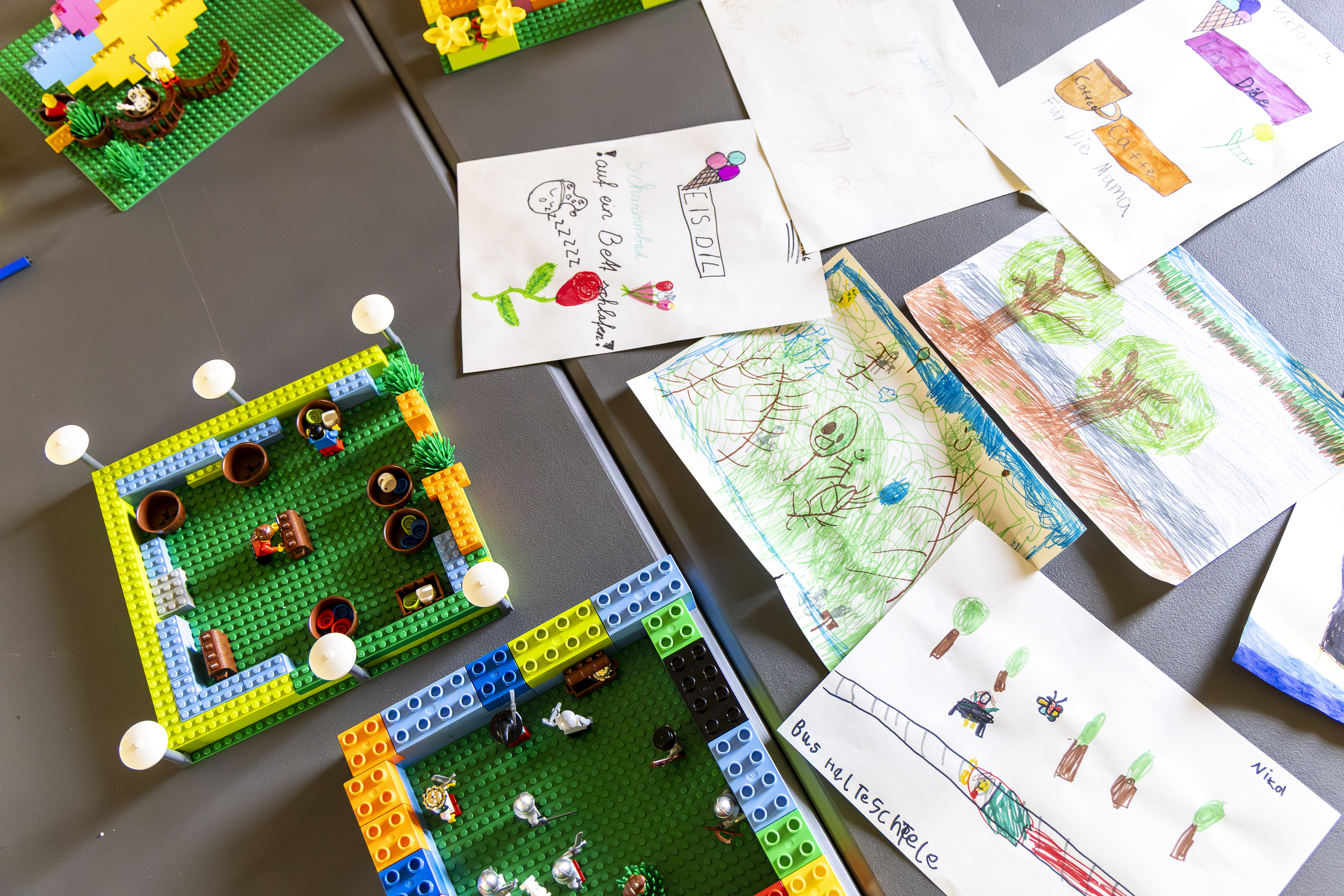
That Wolf Gutberlet, 16, the chairman of the Child and Youth Council, is a member of the steering group also shows how seriously the project takes the participation of young people. In this role, he represents the interests of his peers from schools and youth centres around the town. “It’s a matter of finding ways to really reach young people and not just talk about them,” he says. The Child and Youth Council sees itself as a link between young people and local administration. “When different groups and generations come together, different worlds meet too – I find that very exciting, and it can produce good solutions.” For Gutberlet, the new square should become a place where people meet or simply spend time – with green spaces, seats and facilities for various age groups. “When you improve something for young people, the whole town benefits in the end,” he says. “Especially in hot weather, everyone needs places where they can relax outdoors – not just children, but older people as well.”
That children and youngsters in Eltville are involved in local decisions on a regular basis is part of a long-term strategy. Since 2021, Eltville has born the seal of the “Child Friendly Cities Initiative” and as such committed itself to implementing the UN Convention on the Rights of the Child. Here, the town’s “Child Friendly Municipality Department” plays a central role. It was the department’s director, Ursula Wolf, who came up with the idea for a “Children’s Rights Square”. For her, it is not about symbolic gestures but real influence. “Genuine participation also means relinquishing power,” says Wolf. “Children and youngsters should not only live in their town but also be able to actively co-shape it.” At the same time, the new square should visibly demonstrate that children’s rights play a role in everyday life – and that town planning also needs to bear future generations in mind.
Boosting trust in political processes
As a partner for implementing the project, Eltville town council has garnered the support of h_da – a collaboration based on long-standing trust. “In our Public Management study programme, we train people who will later take on responsibility within public administration and manage complex tasks,” says Professor Friederike Edel, Programme Director. One element of this is balancing interests and organising participatory processes. “Projects such as the living lab in Eltville show very clearly what such tasks look like in practice.” Involving young people, who will have to live with the consequences of today’s decisions for the longest period, leads to a change in perspective: “It introduces a significantly longer timescale,” underlines Edel. “This brings aspects to the table that are otherwise easily overlooked.” At the same time, the young people experience that their ideas really count. “When they see that a tangible urban space later evolves out of their suggestions, it boosts their trust in democratic processes and in administrative bodies’ capacity for action,” says Edel.
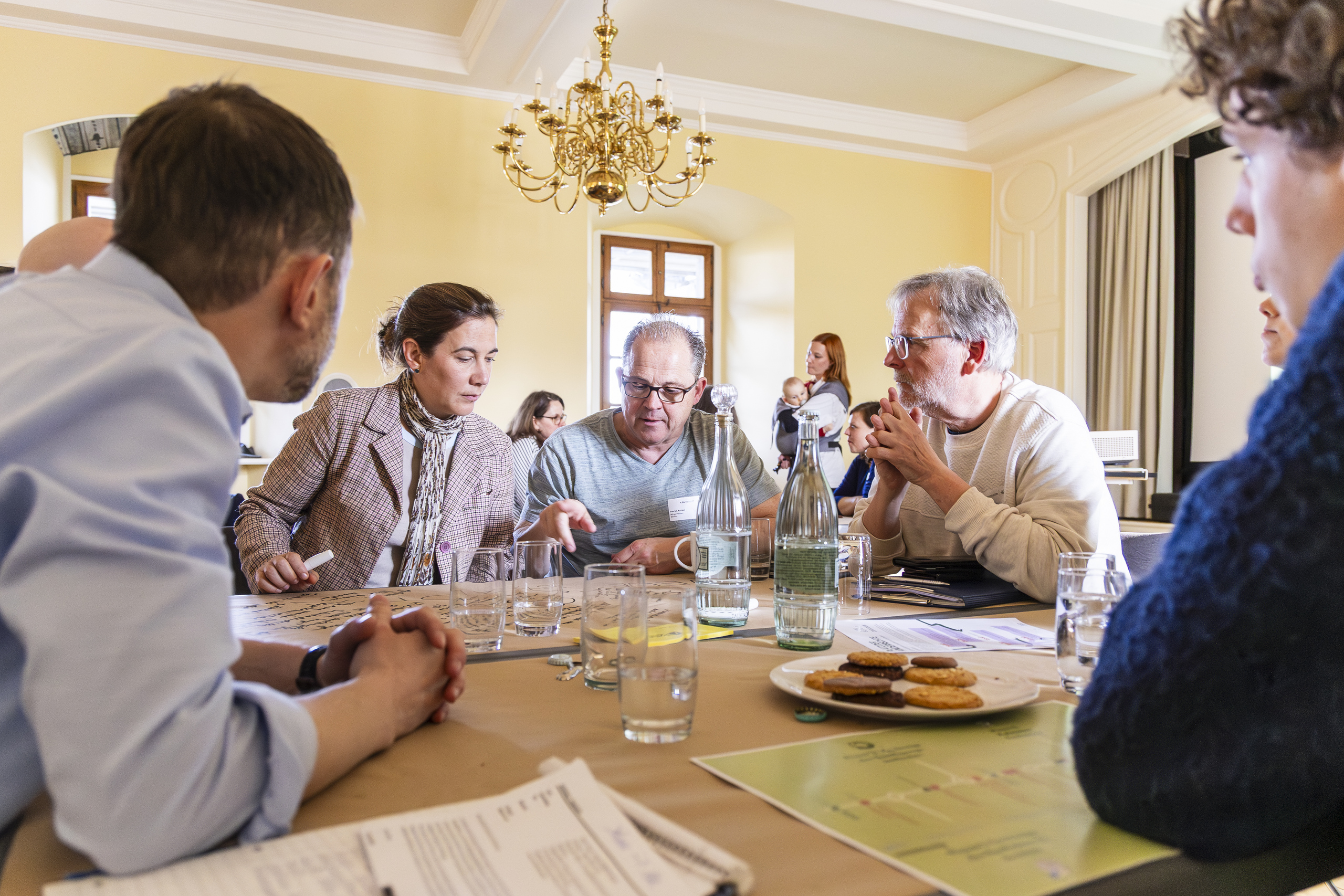
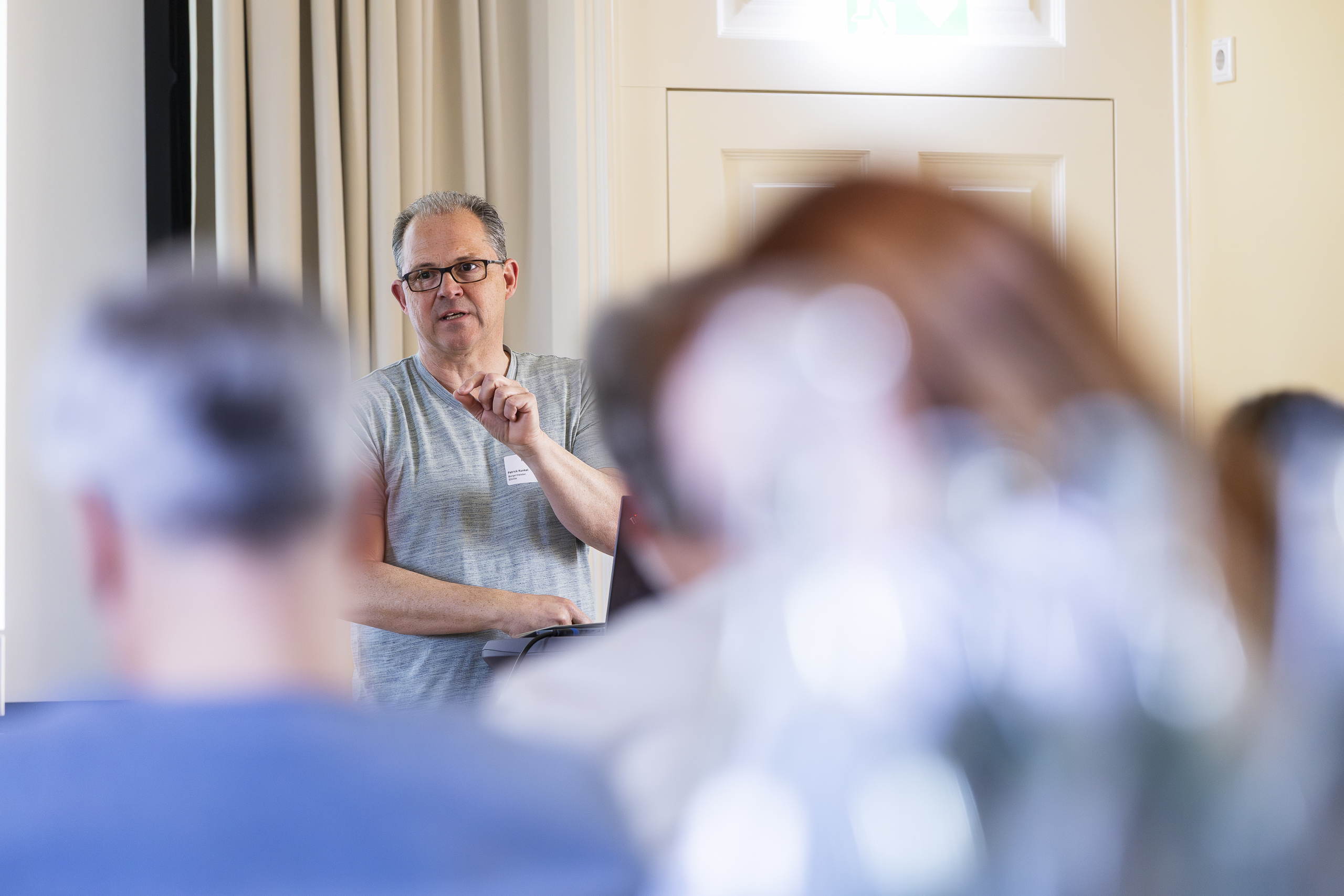
Patrick Kunkel, Mayor of Eltville, is also convinced that bringing young people on board boosts trust in political processes – and shows them that their proactive involvement has an impact. In his opinion, this also fosters their readiness to take on responsibility for society later on. At the same time, he sees local authorities faced with new challenges. “It is not possible to run a town today based on the same formulas as 20 or 30 years ago,” he explains, adding that this becomes especially evident when it comes to climate change: “Already today we are noticeably feeling the consequences,” says Kunkel. “As a wine-growing region, Eltville is particularly affected by this.” That is why, in his view, projects such as the “Children’s Rights Square” go beyond a local initiative. They demonstrate how climate adaptation, quality of life for residents and active participation by all stakeholders can be combined. “Only if people back such changes can we successfully implement them.”
Playground, ice-cream parlour and plenty of shade
The wishes expressed by the youngest participants give a first impression of how this new square might look one day. Diana Yurchenko, 9, would above all like “a big playground, an ice-cream parlour and lots of shady areas for hot summer days.” At the same time, she is concerned about nature: “I think it’s a shame when trees are cut down,” she says. “I’d like to be able to play in the new square without the environment being harmed.” Sofia Gorobetc, 10, best enjoys spending her free time in the garden. “My hobby is gardening, and I know a lot about plants,” she says. She has already helped out with activities at the youth club and shown others how to plant flowers and shrubs properly. She wants to contribute her expertise in the new project too: “I think it’s lovely when there are lots of trees in the town and everything is green and full of life.”
Contact our Editorial Team
Christina Janssen
Science Editor
University Communications
Tel.: +49.6151.533-60112
Email: christina.janssen@h-da.de
Translation: Sharon Oranski
Photography: Samira Schulz
Links
Study programmes at Darmstadt Business School
Study programme: Public Management (Bachelor of Science)