


Building Democracy
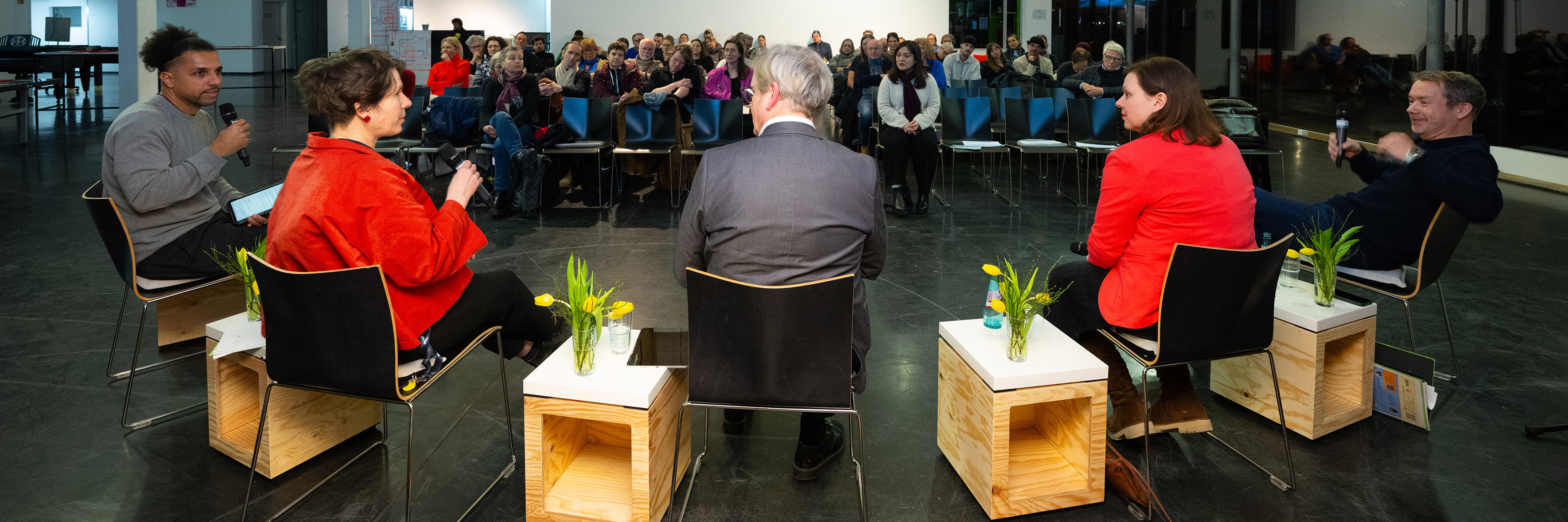
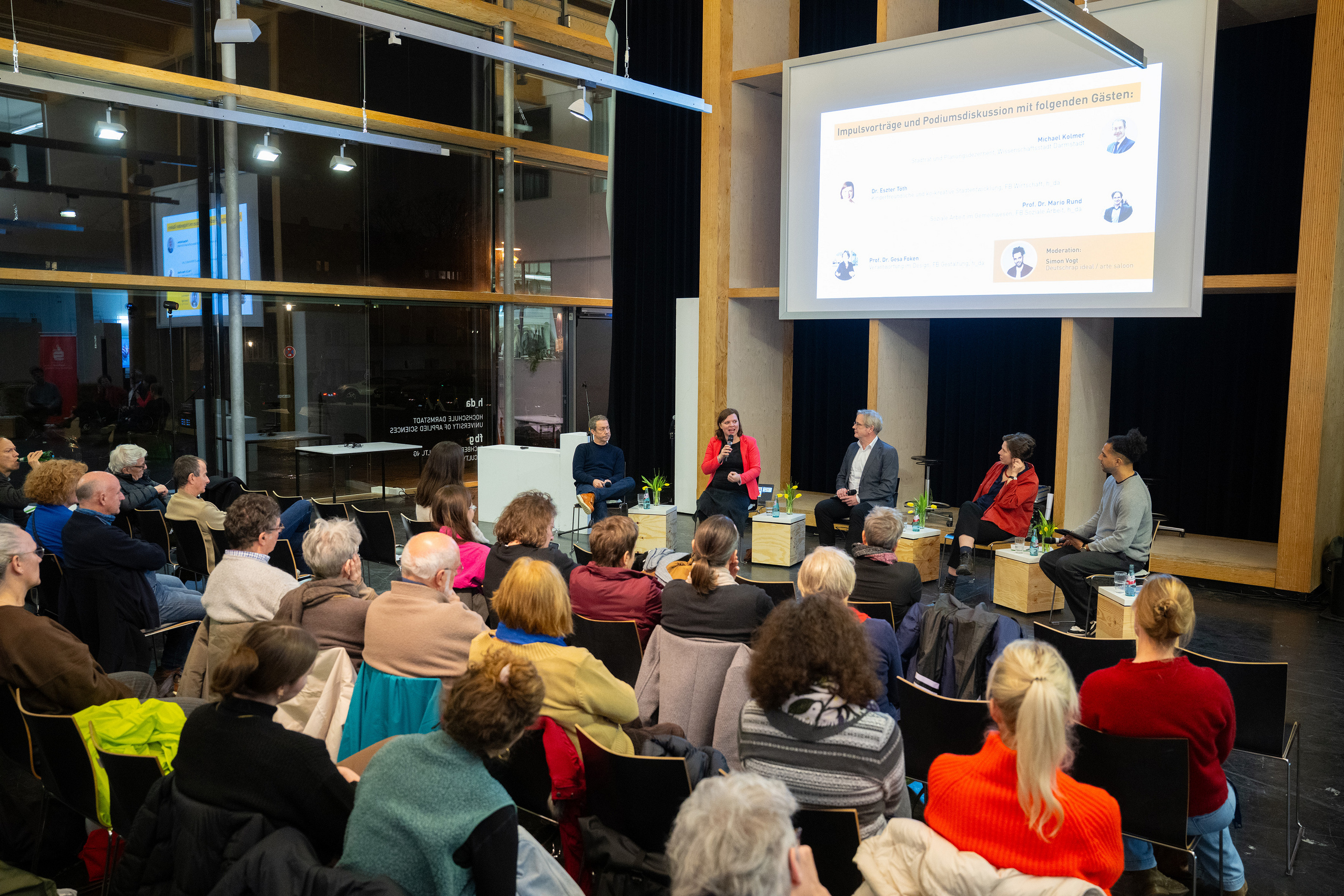
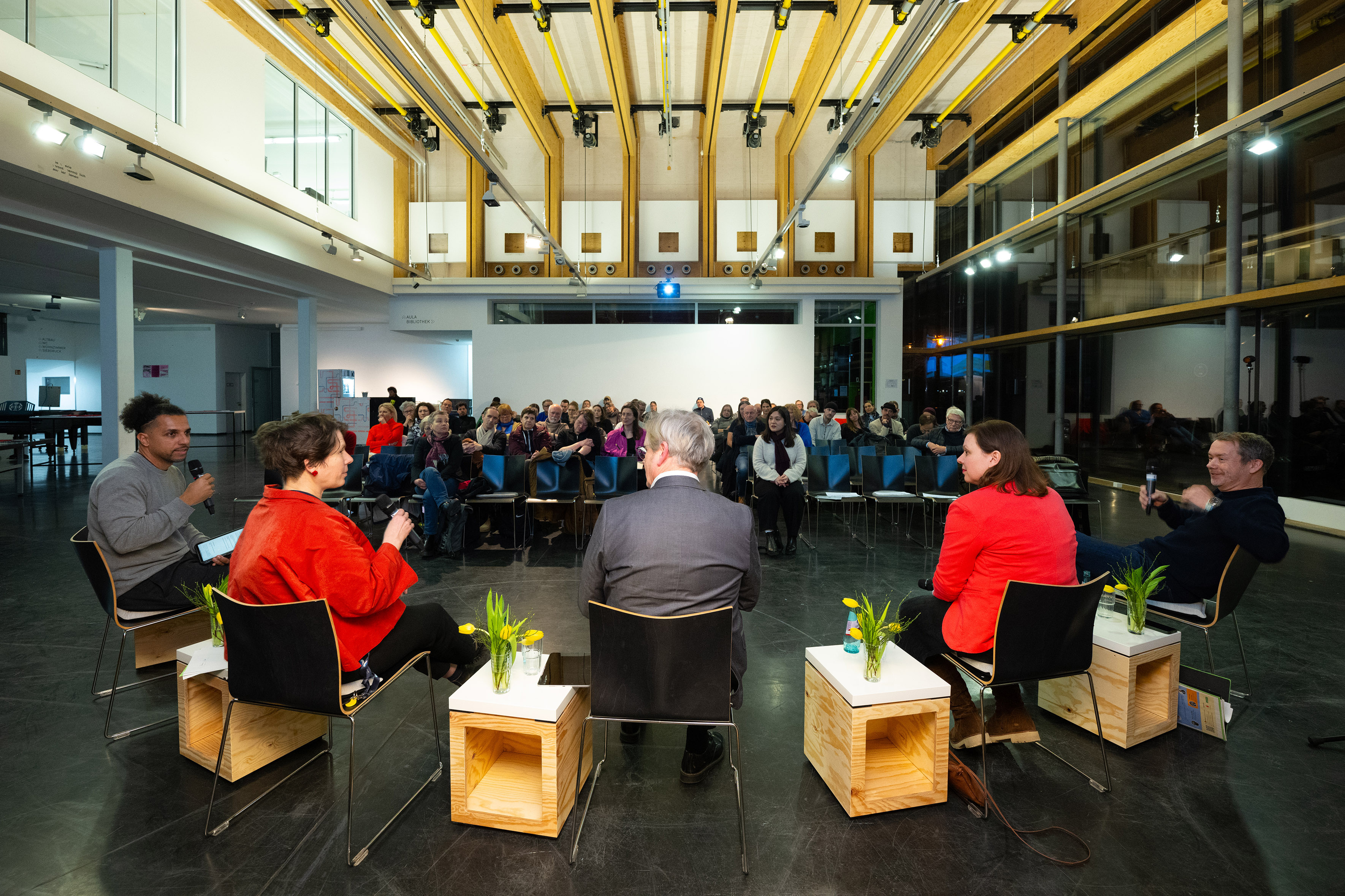
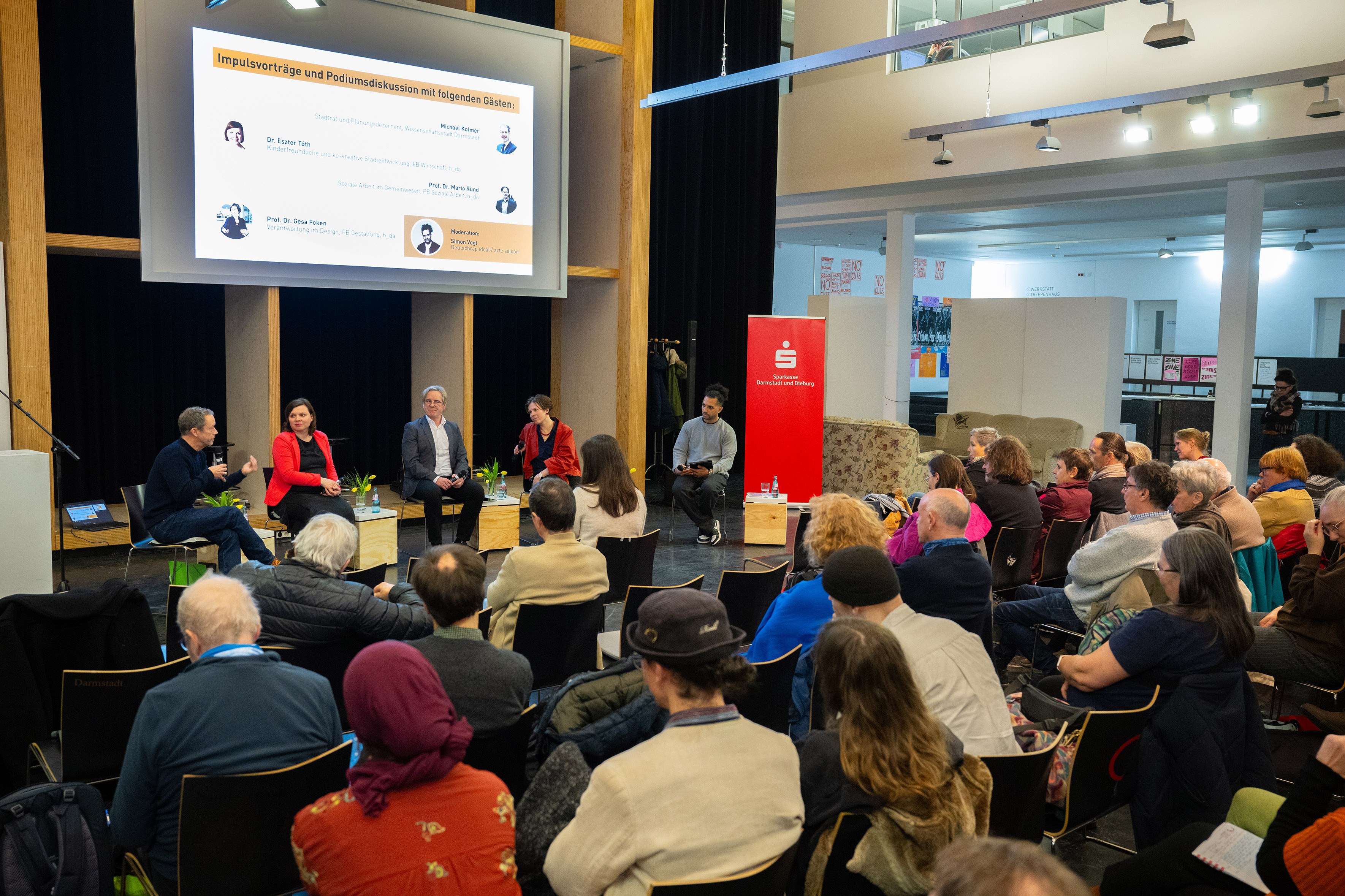
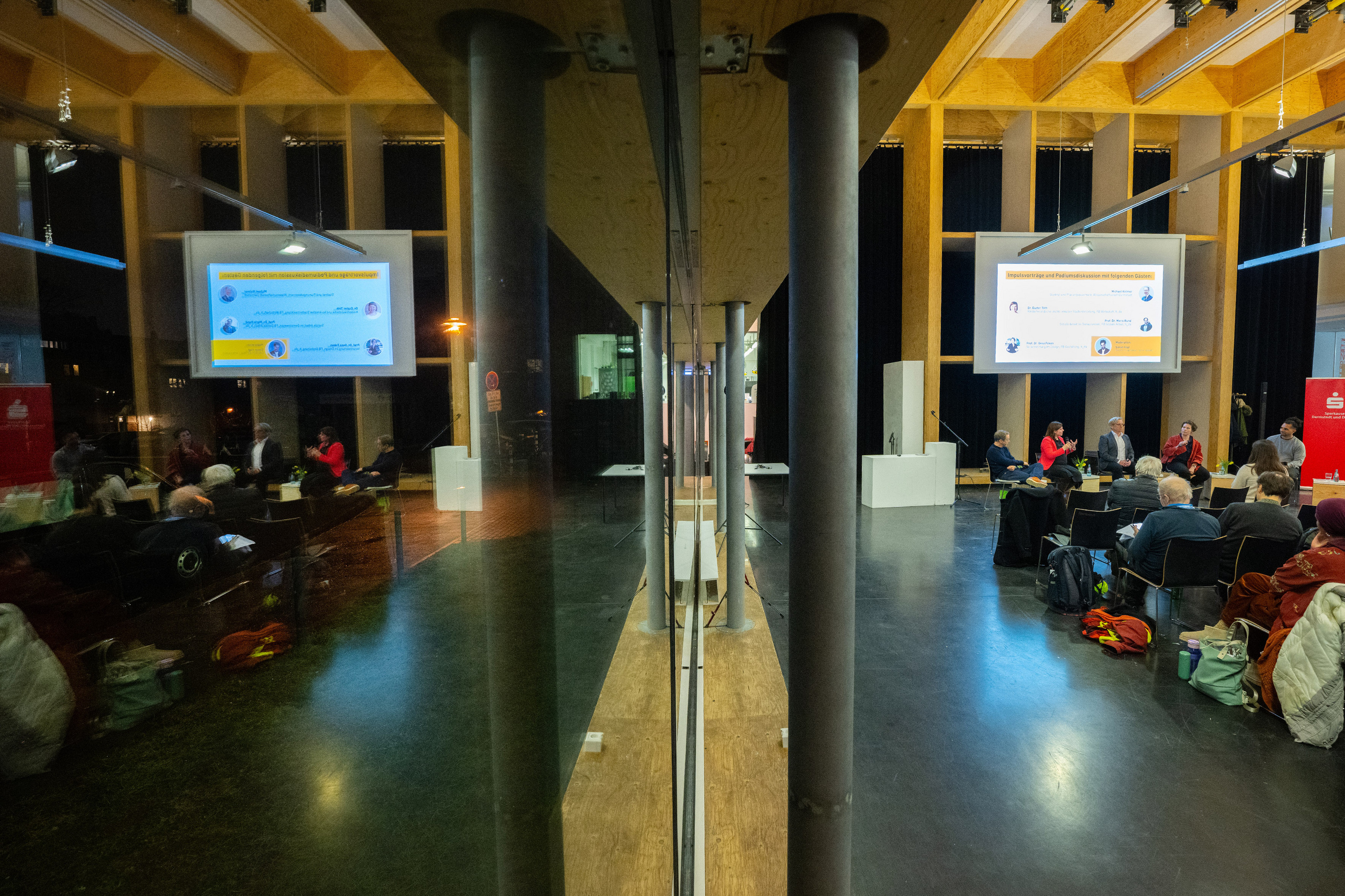
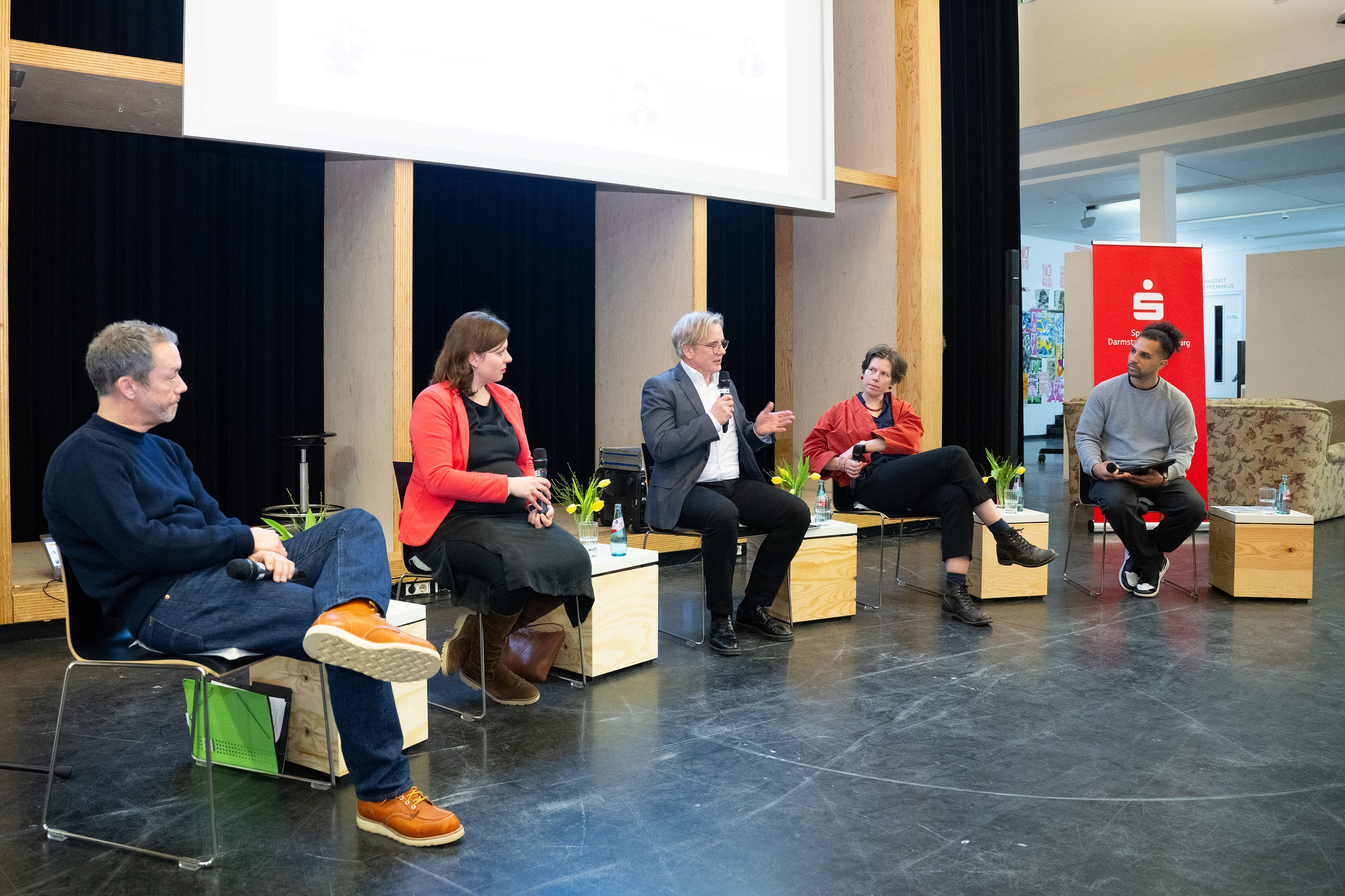
The focus of the 7th h_da Dialogue Forum, which took place at h_da’s Faculty of Design on Mathildenhöhe on the evening of 29 January, was the built environment and its impact on the people living there. Seventy guests attended the second of three events in the series entitled “Shaping Democracy”. The theme this time was “Building Democracy: How Design and Infrastructure Can Connect People”.
By Daniel Timme, 2.2.2026
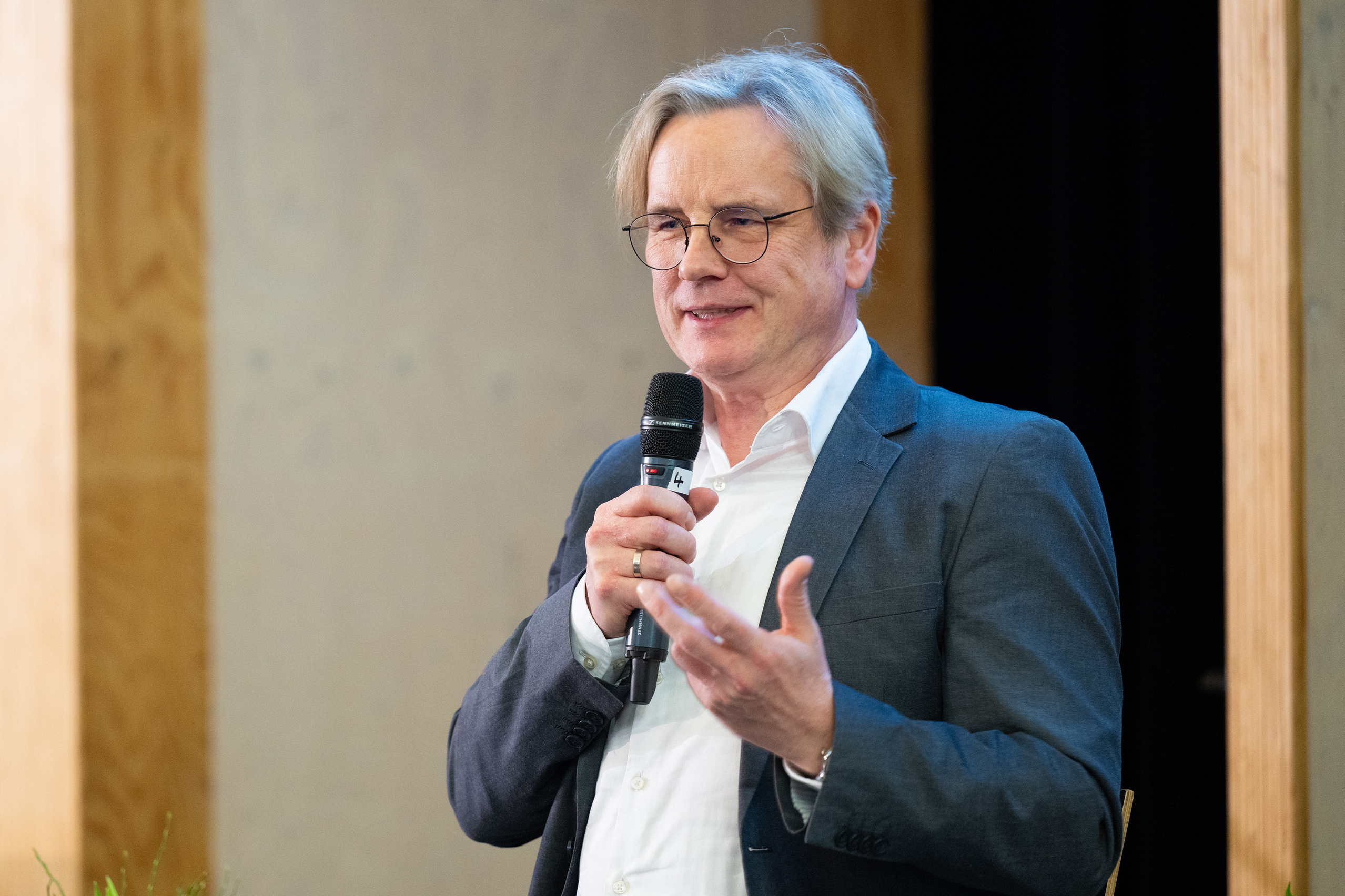
“Cities in democracies are not uniform and homogeneous, but diverse, fragile and not entirely beautiful,” said Michael Kolmer, City Councillor and Darmstadt’s Chief Planning Officer, opening his keynote speech with a more abstract thought. Over the course of the evening, Kolmer was completely at home in his role as a political realist. He presented a wide range of concrete examples of how urban spaces in Darmstadt, including its suburbs, are planned, created and given meaning.
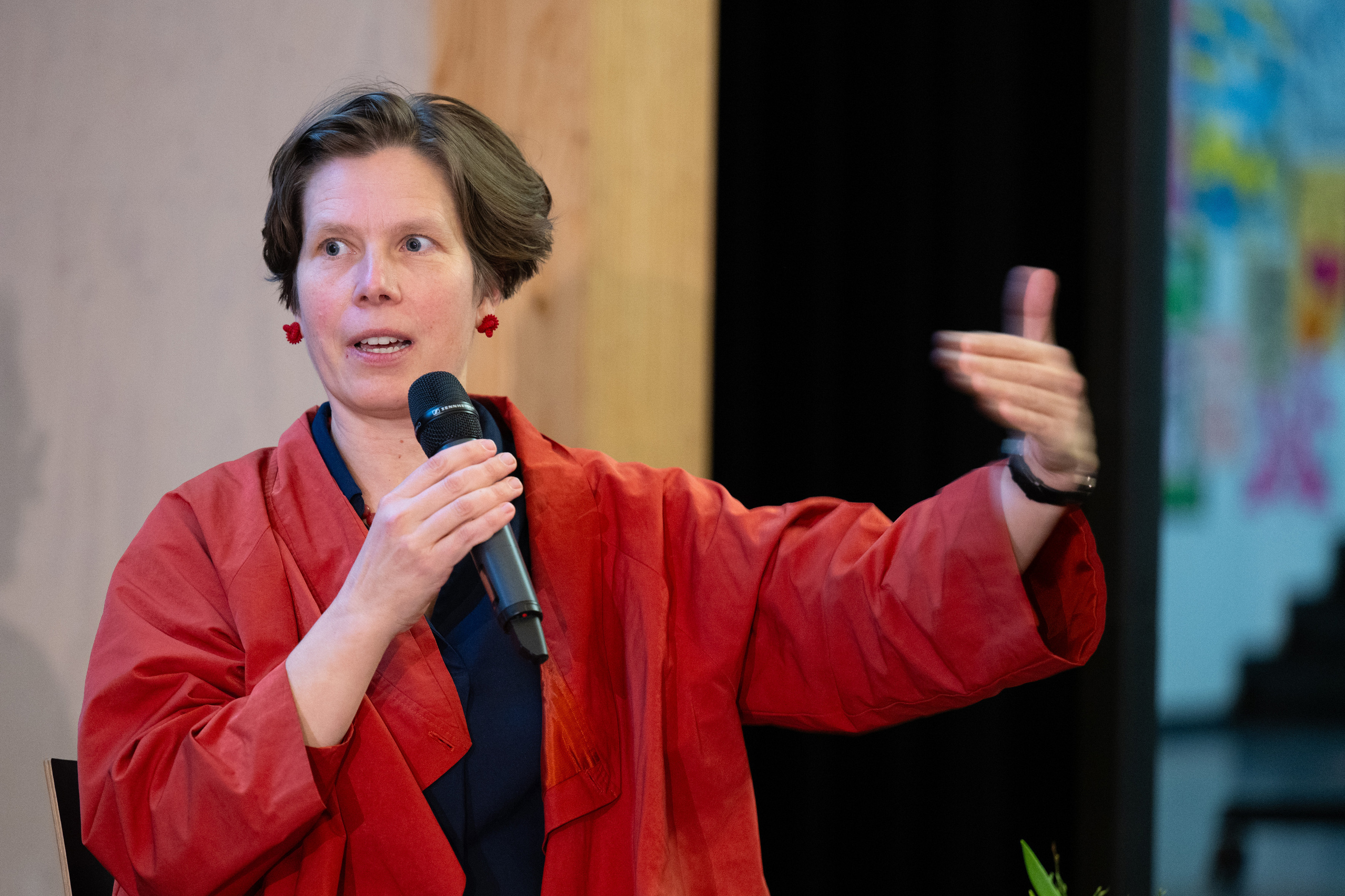
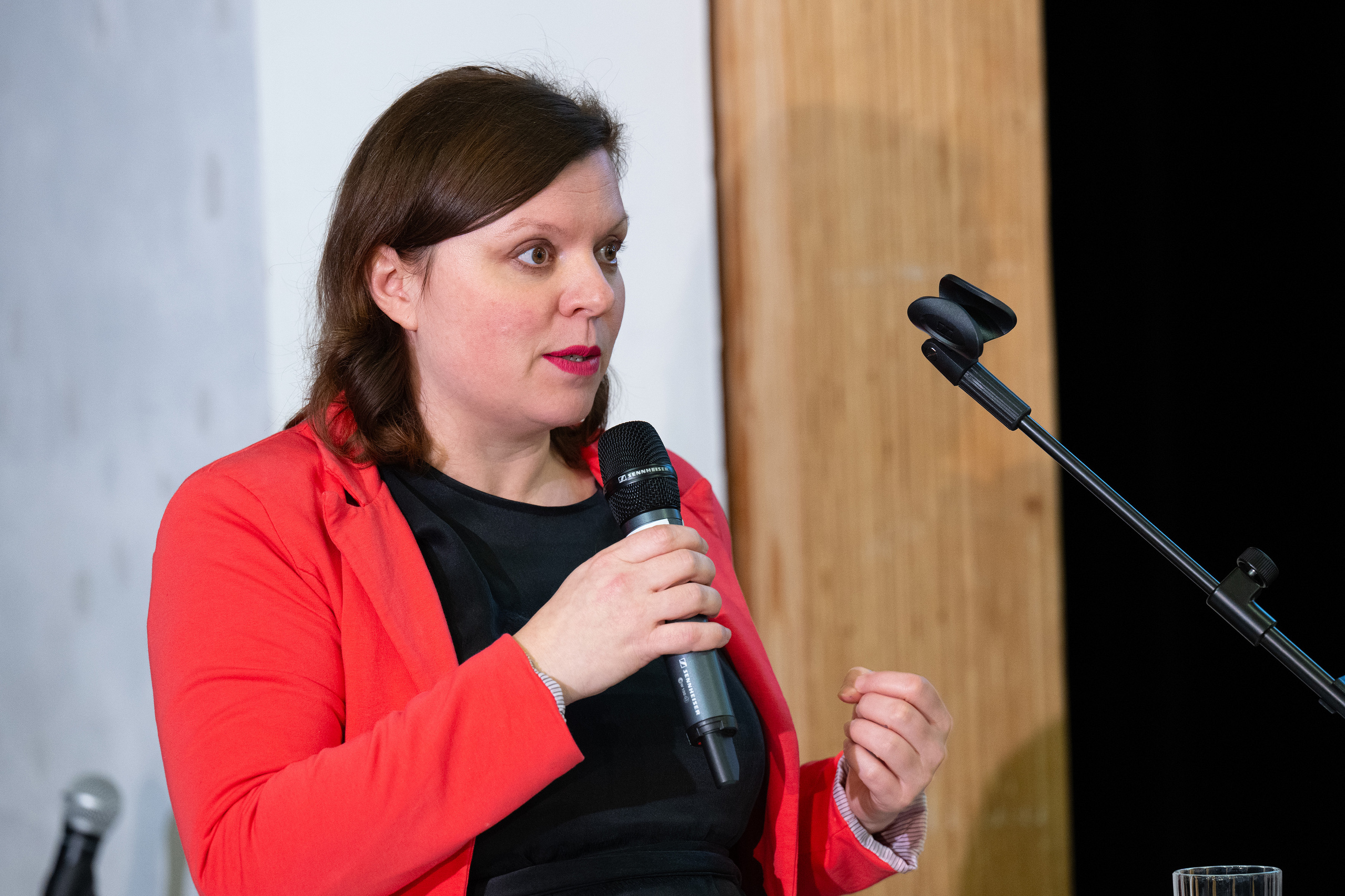
To open the forum, each of the four panellists spoke for around ten minutes. Professor Mario Rund, who lectures and conducts research on community social work at h_da, adopted a more theoretical approach to the topic and voiced frequent criticism in the direction of institutions. One of the hypotheses in his opening statement was: “When people experience that infrastructure is inaccessible to parts of the population or not accessible at all, they see this as an unequal distribution of opportunities for social participation.”
“We can design urban spaces in two ways: one fosters democracy and the other is anti-democratic,” observed Gesa Foken, an expert on the responsibility of design and Professor of Artistic-Creative Didactics and Research at the Faculty of Design, which hosted the event. By way of example, she presented a participatory design project from the current semester in which upper school students are involved. She called for a “design ethic”.
“For children, connecting with their surroundings is not optional but essential,” stressed Dr Eszter Tóth, whose research at h_da centres on child-friendly and co-creative urban development. Her example from practice: the “Child-Friendly Vác Living Lab” in Hungary. Among other things, a green space was transformed into a public area in the city, in this way offering the local population a place to connect. “Child-friendly cities are at the same time sustainable cities,” she said, flying the flag for the youngest members of society.
Room to act and places to play
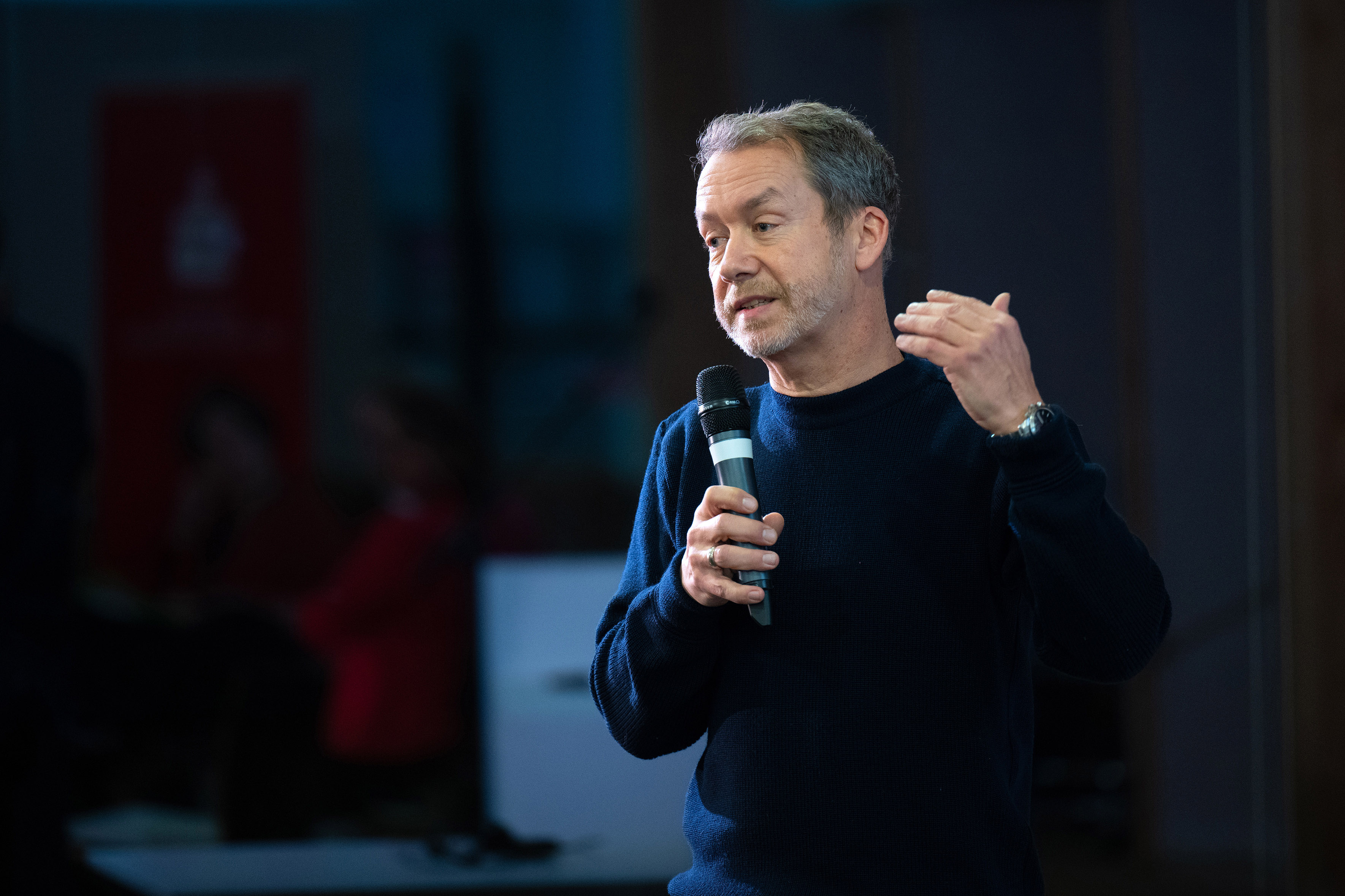
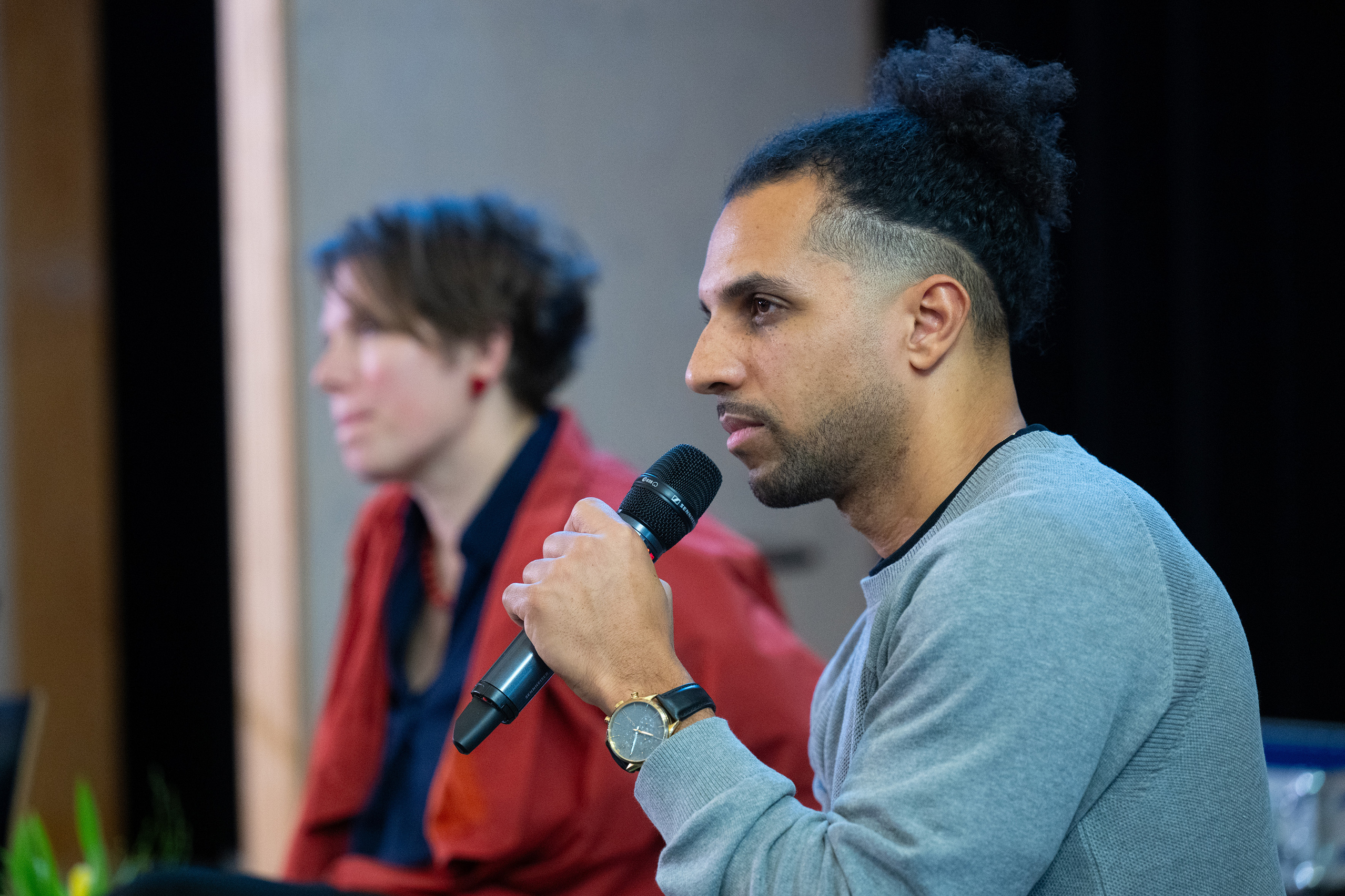
It was therefore a broad juxtaposition of different perspectives that Simon Vogt, known from the talk show format “arte saloon”, among other things, had to juggle as moderator. His calm and relaxed manner contributed to a pleasant atmosphere during the discussion: people listened, waited for each other to finish speaking and showed consideration. In any case, the discussion was democratic in the best sense of the word. Despite the wide range of professional and academic backgrounds, the participants quickly found some common ground.
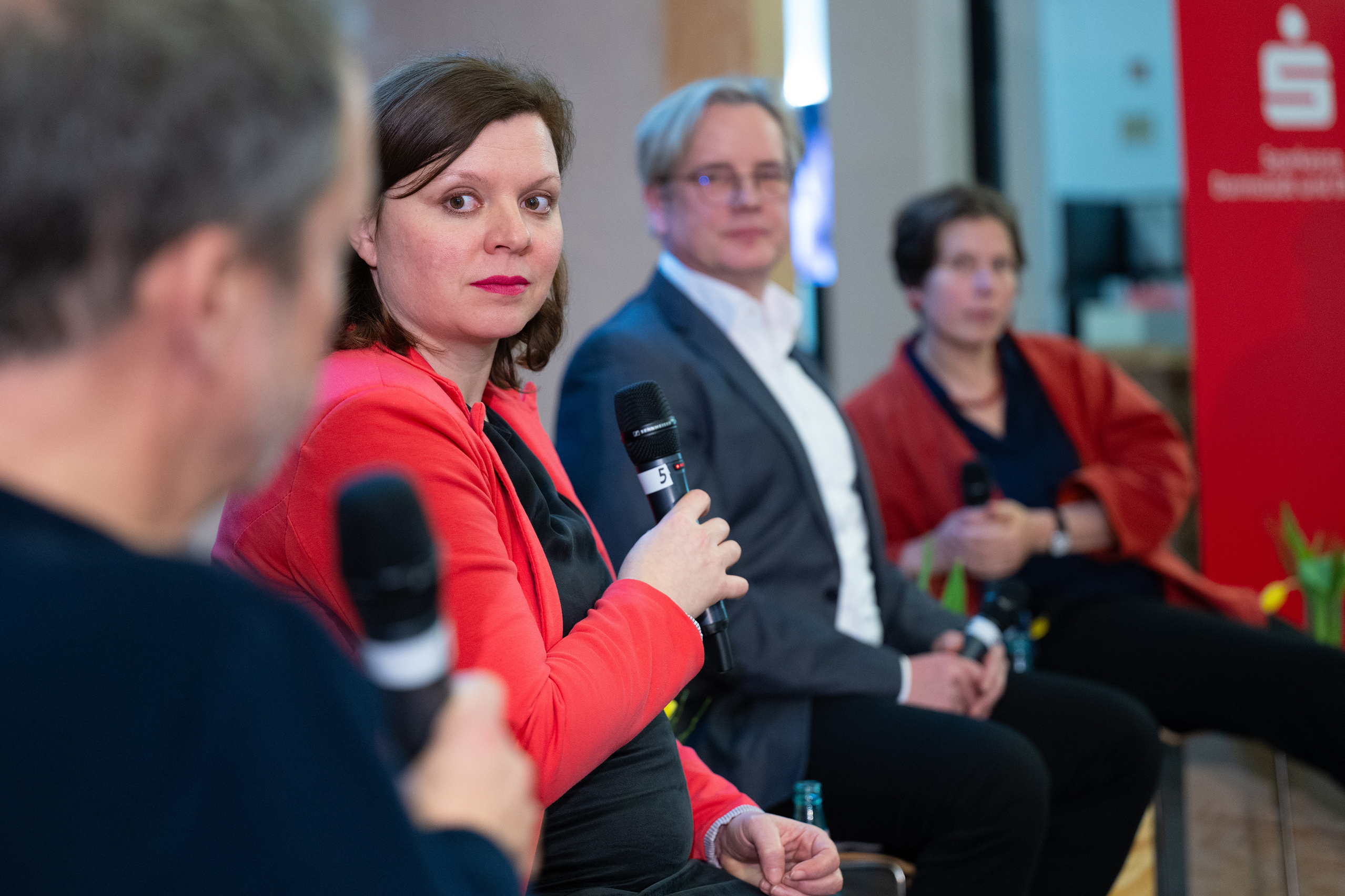
“Where do people experience democracy most tangibly in their everyday lives?” asked Vogt, opening the panel discussion. “In their own neighbourhood,” said Michael Kolmer, “where they can meet, chat and live together instead of in isolation.” Mario Rund used the scientific term “social space”, which also encompasses relationship networks, to express this. To participate in social spaces, people need room to act, he added. This prompted Eszter Tóth to immediately highlight the importance of “places to play” for children. “Only through encounters can people also see themselves as a society,” pointed out Gesa Foken. Her statement met with broad agreement. She cautioned against focusing only on cities: “How can we successfully transfer this to rural areas?”
How long a construction project takes to complete influences how people experience democracy, said Michael Kolmer: “Good neighbourhood development takes ten years. By then, it might be the case that the people who helped shape it no longer live there – and others now do who do did not.” Kolmer presented two examples of participatory urban planning on conversion sites. On the Lincoln estate, more trees will be planted in the main square – Quartiersplatz – to better reflect the way residents use it; at the request of the users, a north-south connection for car traffic, which was not originally planned, will be built in Ludwigshöhe. Kolmer described the participatory development of Kranichstein as “citizen participation in its purest form”. His intriguing insight: “The most important measure, however, was the construction of the tram line – it completely changed the community’s self-image.”
What counts is continuity at the relationship level
Mario Rund praised the community work conducted by the City of Darmstadt in all its suburbs: “Having contact persons permanently on site who you trust is an essential pre-condition for participation and co-determination.” This is consistent with Kolmer’s experience: “It’s important that someone is on hand and approachable, and that they take care of things.” Continuity is crucial, particularly since “staff costs per neighbourhood are reasonable.” Eszter Tóth took the same line: “How beautifully something is built is irrelevant, as it will not be accepted if the relationship level is not taken into account.”
“It’s not necessary for people to understand in detail how planning approval works – but they should nevertheless feel that taking part in the process is a positive experience and that their interests count,” said Rund. Sometimes, he added, it is then not primarily about the outcome itself, but about the fundamental opportunity to influence that outcome. Gesa Foken also supported the idea of genuine, sincere participation: “It’s very difficult when someone feels that they are just a statistic.” In addition, it is important to keep people updated about the status quo.
Simon Vogt’s concluding question again illuminated the panellists’ different backgrounds. “What infrastructural adjustment could have the greatest positive impact on democracy in the next ten years?” he wanted to know. In Gesa Foken’s opinion, it is vital to keep communicating and interacting. “Mobility is a central prerequisite for participation,” said Mario Rund; Eszter Tóth agreed, adding that this was also the case for children and youngsters.n roll them out more widely: ‘There is strength in diversity and wildness!’
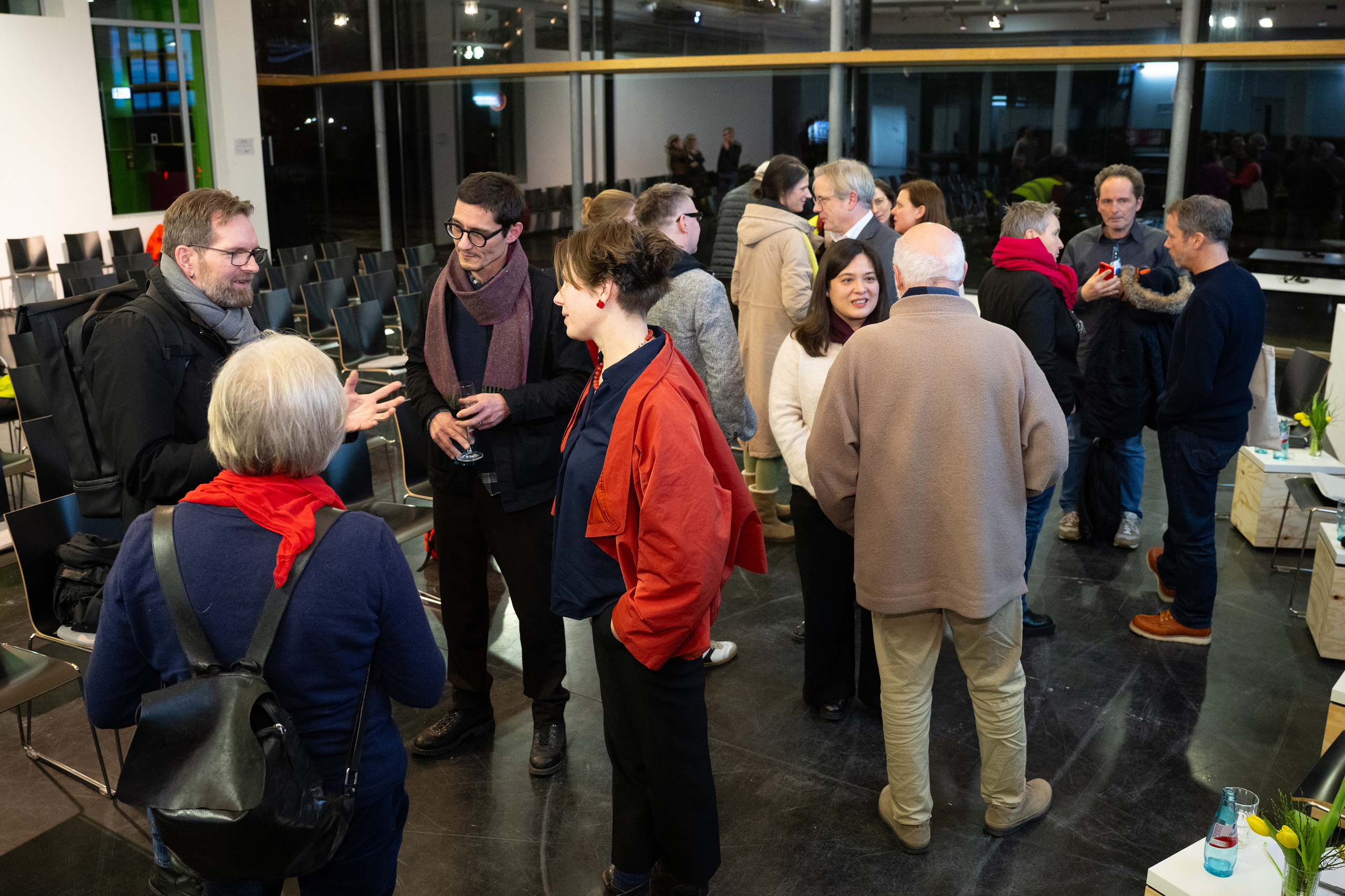
Kolmer explains, criticises, praises
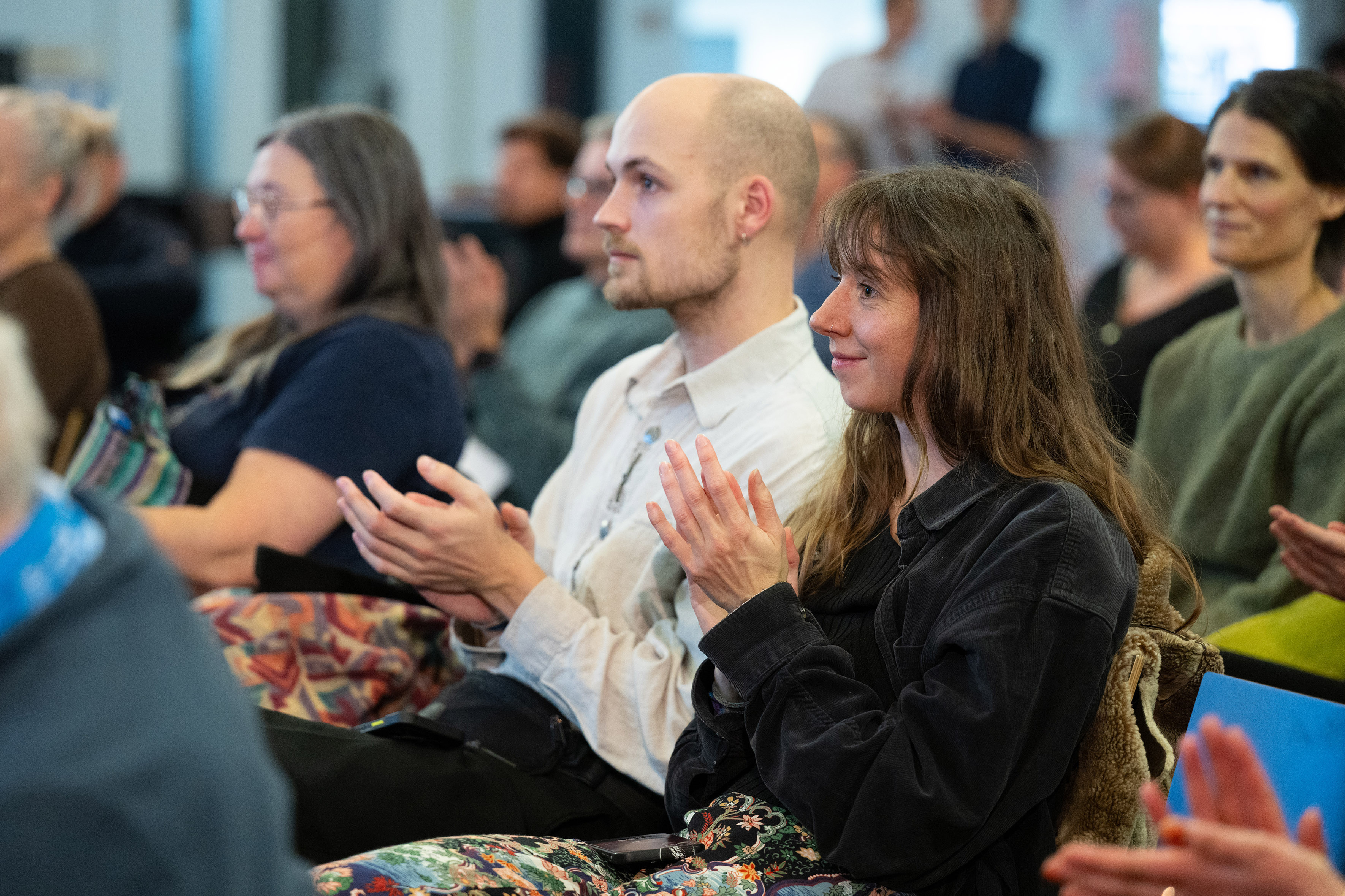
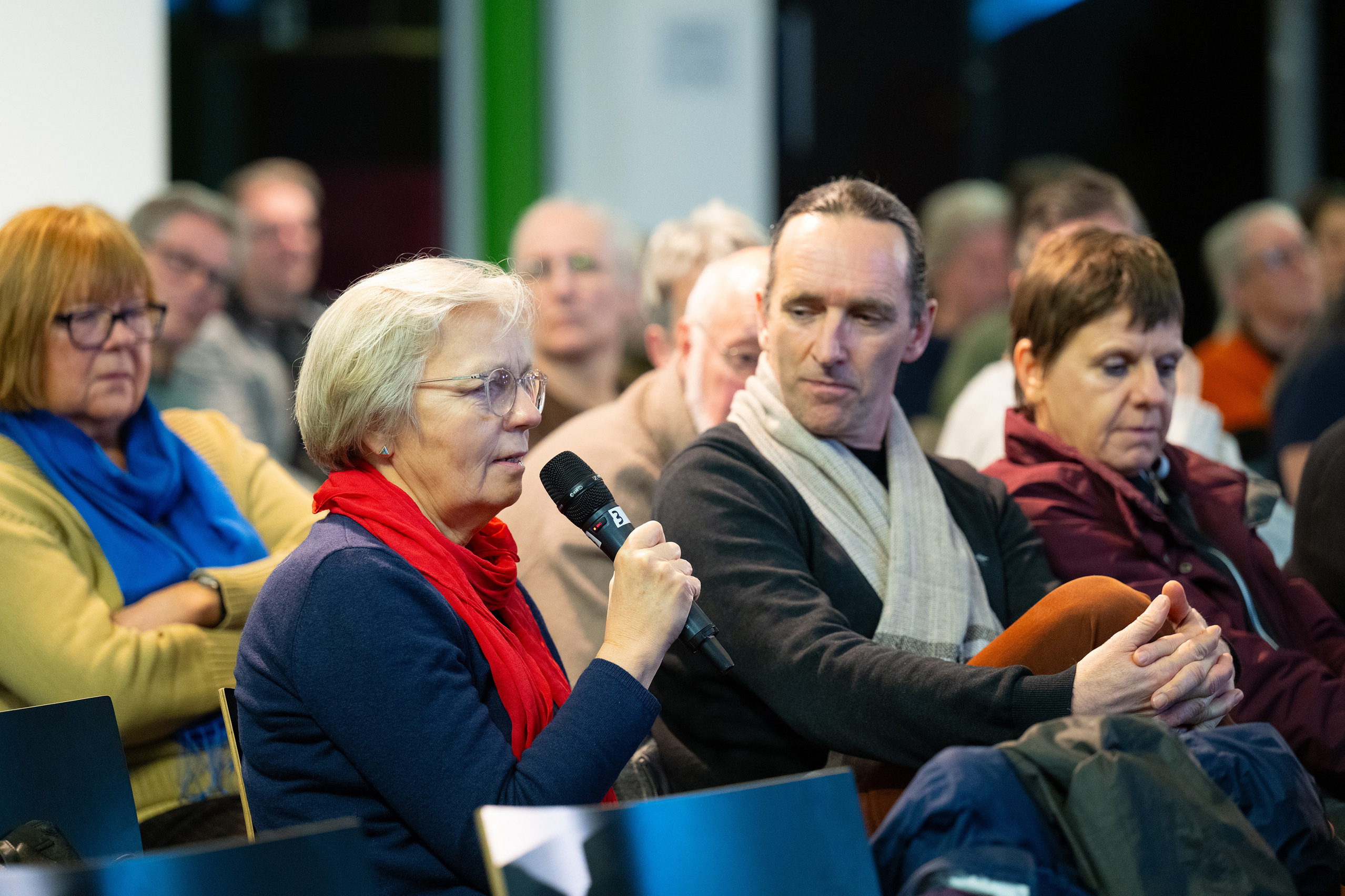
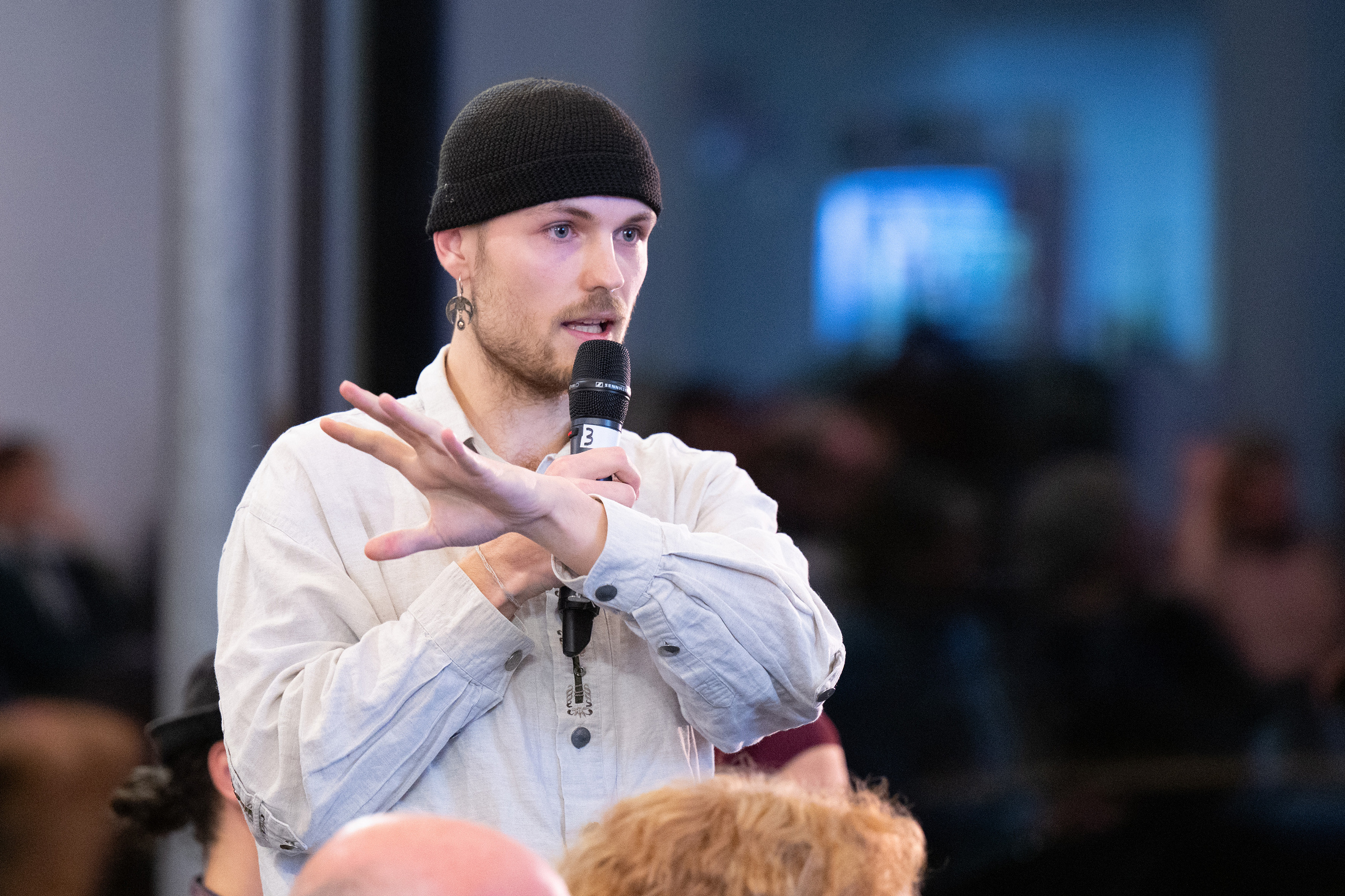
Towards the end of the discussion, members of the audience contributed their own ideas and asked questions, most of which were intended for the City Councillor. Based on his own experience, one participant criticised how the city handles complaints. Kolmer conceded that there was room for improvement as far as speeding up the process was concerned, citing staffing issues and the tense financial situation that has existed for years: “The local authorities have bled to death.” That is why it is necessary, he said, to strike out in new directions and, for example, use tools such as the Mängelmelder, an online service via which citizens can report damage or malfunctions. “It doesn’t solve everything, of course, but it works relatively well.”
One member of the audience questioned how democratic the competitive bidding process for municipal construction projects really is. Kolmer’s answer took the question to a higher level: “We have to ask ourselves what fields of tension result from parliamentary democracy and how democratic processes are organised.” He had previously expressed the wish for government reform vis-à-vis deregulation and criticised “how we in Germany apply our legal and regulatory framework.” He cited Darmstadt’s intercity rail link as a negative example: “The discussion about this began before I started my career – and I’m not sure whether I’ll see trains running on a completed line before I retire.”
In his view, deregulation could enable people to improve their cities. “Too many norms and standards, for example, tend to delay the construction of cycle paths in narrow streets. We need to be more adventurous here,” said Kolmer. If measures that are in fact expedient fail because of excessive regulations, this fuels people’s disillusionment with democracy. The h_da Dialogue Forum also provided a platform for Kolmer’s criticism of political practice. In this context, Kolmer concluded by praising the practice-oriented research conducted in Darmstadt: “The universities are corporate citizens. They are brimming with ideas that have an impact on the city.”
Related articles
impact, 8 February 2026: Democracy needs practice
impact, 2 February 2026: When democracy comes under pressure
impact, 8 December 2025: Democracy on the internet: The true, the false and the perceived
impact, 10 October 2025: Democracy education: Bringing disappointed people back on board
Contact our Editorial Team
Christina Janssen
Science Editor
University Communications
Tel.: +49.6151.533-60112
Email: christina.janssen@h-da.de
Photography: Markus Schmidt
All good things...
A further h_da Dialogue Forum in the “Shaping Democracy” series will follow on 16 April. The topic: “Who gets to decide here? Democracy and social cohesion”. The first part of the event trilogy on 4 December 2025 was entitled “Democracy on the Internet: Between Disinformation and Technophobia”. You can read the report here.
Link to press article
The “Darmstädter Echo” newspaper also reported on the 7th h_da Dialogue Forum. You can find the article here (DE | paywall).